Riverside Walks in Lisbon: 5 Places Along the Tagus
Lisbon's riverside walks run from Ribeira das Naus to Parque das Nações, with a Tagus cycle path of more than 20 km. Addresses and transport inside.
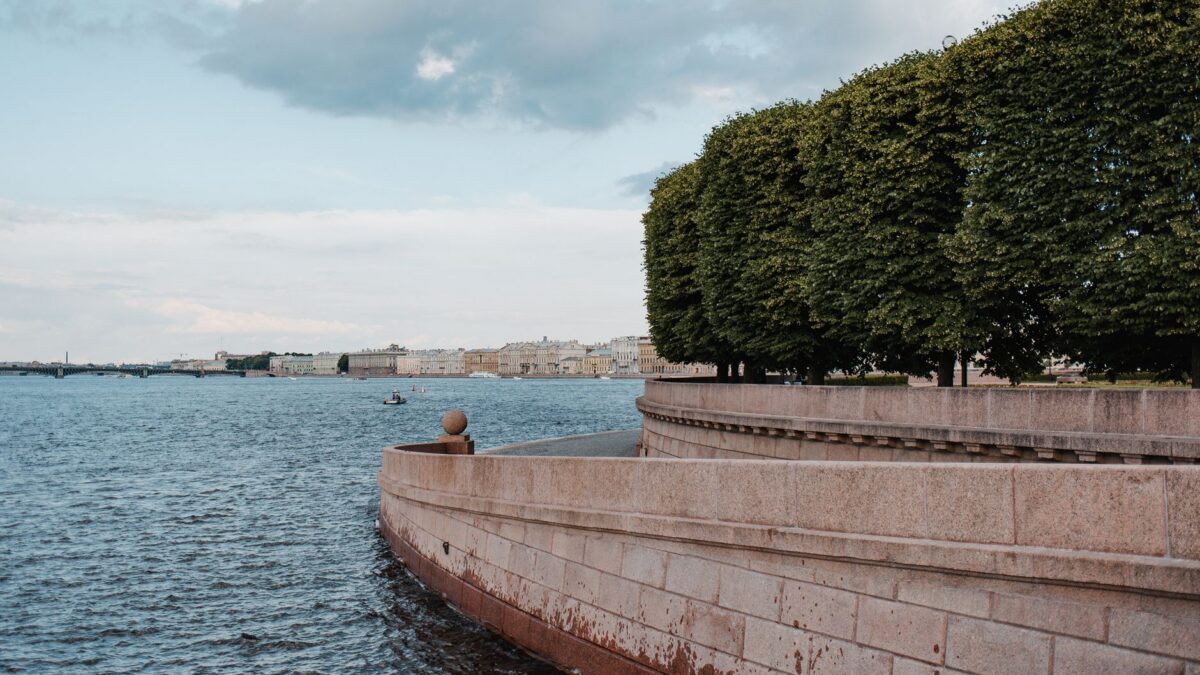
The easiest riverside walk in central Lisbon is Ribeira das Naus, a stretch of steps and lawn between Praça do Comércio and Cais do Sodré. Parque das Nações, in the east, has gardens and a marina on the water. A cycle path follows the Tagus for more than 20 km and links the port, the docks and the historic districts.
This guide covers five riverside places that Visit Lisboa describes on its own pages, ordered from the old centre to the east of the city. Belém has no page among the sources used here, so check Visit Lisboa for current details on it.
Ribeira das Naus
This old boatyard, where Portuguese sailing ships were once built, was renovated and now works as a river beach. It has a large grassy area and broad steps that go down to the water. Bathing is forbidden, so people come to sunbathe or rest. Visit Lisboa adds that the area has a kiosk and outdoor seating, and that it links Cais das Colunas in Praça do Comércio with Cais do Sodré.
It is a short walk from the ferry terminals on the Praça do Comércio side. For the crossing to the south bank, see our guide to Lisbon ferries across the Tagus.
Address: Av. Ribeira das Naus. Getting there: according to the Tagus Route page, buses 728, 732, 736 and 783, and the Blue and Green metro lines.
Cais do Sodré
Cais do Sodré is a central hub where you can catch a metro, a train or a boat. Visit Lisboa describes it as a neighbourhood for a beer with friends. The Mercado da Ribeira is one of the city’s main food courts, and Pink Street is full of bars and restaurants.
From here a train reaches Cascais in 1 hour, and a ferry crosses the Tagus to Almada on the south side. The Almada crossing is the one in our day trip to Cacilhas, Almada and Cristo Rei.
Getting there: metro, train or ferry. The Cais do Sodré terminal has boats to Cacilhas, Seixal and Montijo.
Ciclovia ribeirinha (riverside cycle path)
The main route is the one along the Tagus. Visit Lisboa says it covers more than 20 km between the port, the docks and the city’s most important historic zones. Walkers and joggers use it as well, so the page tells cyclists to watch out for tourists and joggers.
The cycle paths in the city are not connected to each other, so the riverside route is one of several. Other routes named on the page are Avenida Duque d’Ávila, the route through the gardens of Campo Grande towards the Quinta das Conchas, and the one through Jardim Amália Rodrigues to Parque Eduardo VII. Drivers generally respect cyclists at the road crossings, the page says. Parque das Nações also has quiet routes.
Jardim do Parque das Nações
This is a series of green areas on the eastern riverfront, in the former exhibition site. According to Visit Lisboa, the gardens take up a third of the whole area. The page lists the Parque Tejo, the water parks with sculptures by Cutileiro, the Alameda dos Oceanos, the Jardim das Ondas and the Jardins Garcia d’Orta. It also names the riverside walk as part of the visit, and says you can spend a whole day here.
Plan it for a dry day. For wet weather, our guide to things to do in Lisbon in winter has indoor options.
Address: Parque das Nações. Getting there: buses 728, 744, 750 and 782, per the Tagus Route page linked above.
Marina Parque das Nações
The marina sits in Parque das Nações, next to the Oceanarium, the Casino, the MEO Arena, gardens and riverside walks. Visit Lisboa lists sailing, canoeing, windsurfing and bike riding among the activities, and terraces for a drink.
The marina page says it lies within the Tagus Estuary Nature Reserve, which it calls one of the ten most important estuary areas in Europe and good for bird watching.
Hours: the page lists 09:00 to 19:00.
Before you go
The official pages for these places are on Visit Lisboa, linked above. The Tagus Route page listed no opening hours for Ribeira das Naus, the cycle path or the gardens, and the Marina page gave a single time range, so check the relevant page before a long trip. Bus numbers, ferry connections and opening times are the details that change most often.
Facts from the official pages linked above, as of November 2026.
Site editor: Nikita Sheikin