Portugal’s 2027 budget passes: zero VAT on food, higher minimum wage
Parliament approved the 2027 State Budget on Tuesday. See what changes for residents on food VAT, wages, rents, golden visas and tuition fees from January.
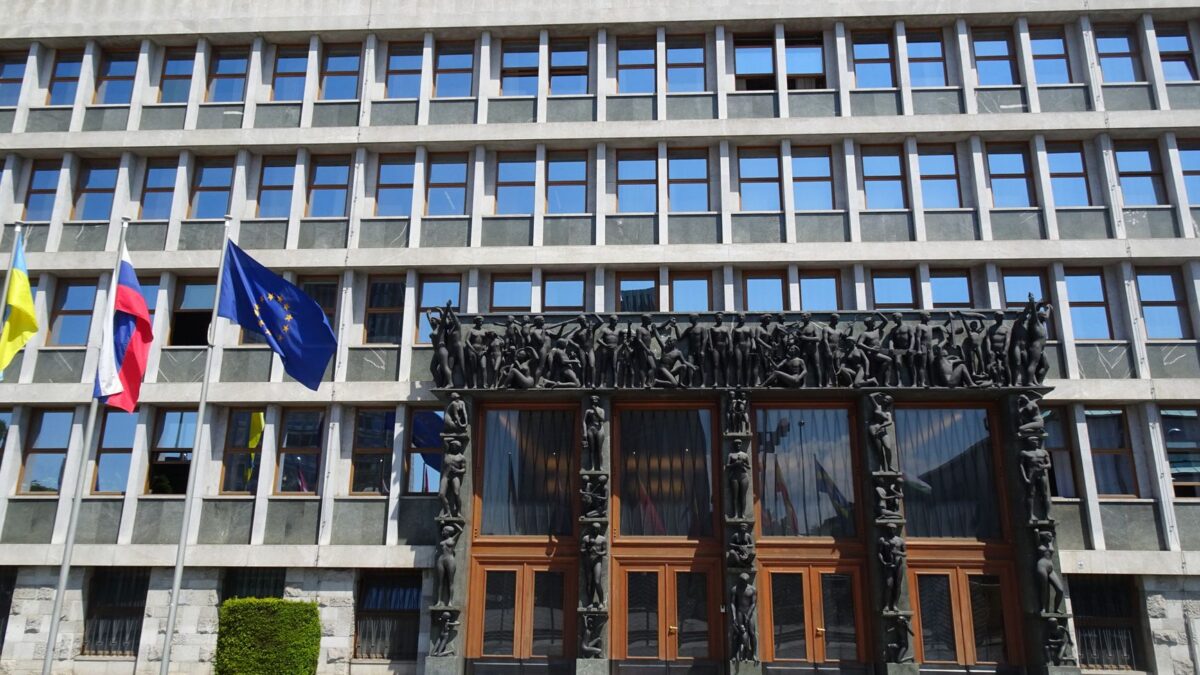
Portugal’s Parliament approved the State Budget for 2027 in a final vote on Tuesday. Several measures reach residents from January: zero VAT on selected foods from Jan. 1, a minimum wage of €970 gross a month and a higher IRS (income tax) bracket threshold. Changes to the golden visa apply to applications submitted after May 1, 2027.
The PSD and CDS-PP voted in favour, while the Socialist Party (PS) and Juntos pelo Povo (JPP) abstained. Chega, Iniciativa Liberal, Livre, the Communist Party, Bloco de Esquerda and PAN voted against, according to Portugal Resident.
Food, fuel and pay
Zero VAT returns on a basket of essential foods between Jan. 1 and March 31, 2027. The PS proposed it and Chega supported it. The measure could be extended in three-month periods depending on inflation and its effect on tax revenue. The government will decide which products are included and must publish retail price and profit margin data.
Parliament also approved a PS proposal that stops the government from raising the fuel tax (ISP) on mainland petrol and diesel above the rates in force at the end of 2026 without going through Parliament.
The minimum wage rises by €50 in January, from €920 to €970 gross a month, under an agreement between the government and social partners. The stated target is €1,100 by 2029. Public sector workers are due monthly rises of €60.52 or at least 2.3%, depending on salary. IRS brackets are adjusted upwards by 3.88%. Young workers up to age 35 keep the IRS Jovem scheme, which exempts part of their income tax for their first 10 eligible years.
Pensions rise in January under the statutory formula. Any extraordinary supplement in 2027 must be a permanent increase instead of a one-off payment, though none is guaranteed. The Solidarity Supplement for the Elderly (Complemento Solidário para Idosos) reference value goes from €670 to €720 a month.
If you rent or buy a home
Parliament scrapped the tax incentive that let landlords charging “moderate rents” of up to €2,300 a month pay 10% IRS instead of 25%. The PS proposed the move to offset revenue lost to the food VAT cut.
Other housing measures go ahead:
- Owners selling a second or vacant home for up to €300,000 between 2027 and 2029 are exempt from capital gains tax if the buyer makes it a permanent home or it joins the affordable rental market within six months and stays so for at least five years.
- For sales above €300,000 and up to €500,000, only 25% of the gain is taxed under the same conditions.
- The maximum annual IRS deduction for tenants’ rent rises to €1,000.
- Parliament approved a proposal paving the way for a public rental guarantee scheme.
- Buyers up to age 35 of a first permanent home keep their IMT (property transfer tax) and stamp duty exemptions, and the state-backed mortgage guarantee extends to people building a first home.
- Early repayment fees of up to 0.5% on variable-rate mortgages are abolished.
For annual rent updates, see the rent increase limit for 2027.
Golden visa changes
The minimum investment under the scientific research route is halved from €500,000 to €250,000. A new €250,000 route covers building or rehabilitating social support facilities for children, young people, older people and people with disabilities, as well as facilities supporting integration of foreign residents and beneficiaries of international protection.
Non-real estate investment funds stay at a €500,000 minimum but must put at least 70% into strengthening the capital of Portuguese-based companies through equity or quasi-equity. The current rule requires at least 60% in Portuguese companies without that specific requirement. The new rules apply to applications submitted after May 1, 2027.
Students and public finances
Parliament voted to freeze the maximum annual undergraduate tuition fee at public institutions at €697 for 2027/2028. The government had planned to raise it with inflation. Corporate tax (IRC) falls from 19% to 18%, with a cut to 17% planned for 2028.
In all, 343 amendments passed out of a record 2,864 submitted. Of those approved in committee, 273 came from opposition parties. PS had 108 approved, the governing AD (PSD and CDS-PP) 70 and Chega 57.
The Finance Ministry estimates the amendments cost €800 million. That removes the forecast surplus of 0.1% of GDP and points to a 0.2% deficit, a negative balance of €525 million. Finance Minister Joaquim Miranda Sarmento told Parliament he still expects a surplus for 2027. Minister for Parliamentary Affairs Carlos Abreu Amorim called the result a “Frankenstein” of piecemeal measures.
The European Commission found Portugal’s draft budget plan compliant with EU fiscal rules on Tuesday but warned that net expenditure growth risks significantly exceeding the recommended maximum in 2027.
Source: Portugal Resident
Site editor: Nikita Sheikin