Transtejo Soflusa plans new electrification plan for 2027, ten electric ferries already running
Transtejo Soflusa will present a new electrification plan to the Government in 2027. Its ten electric ferries use four charging towers, with a fifth coming.
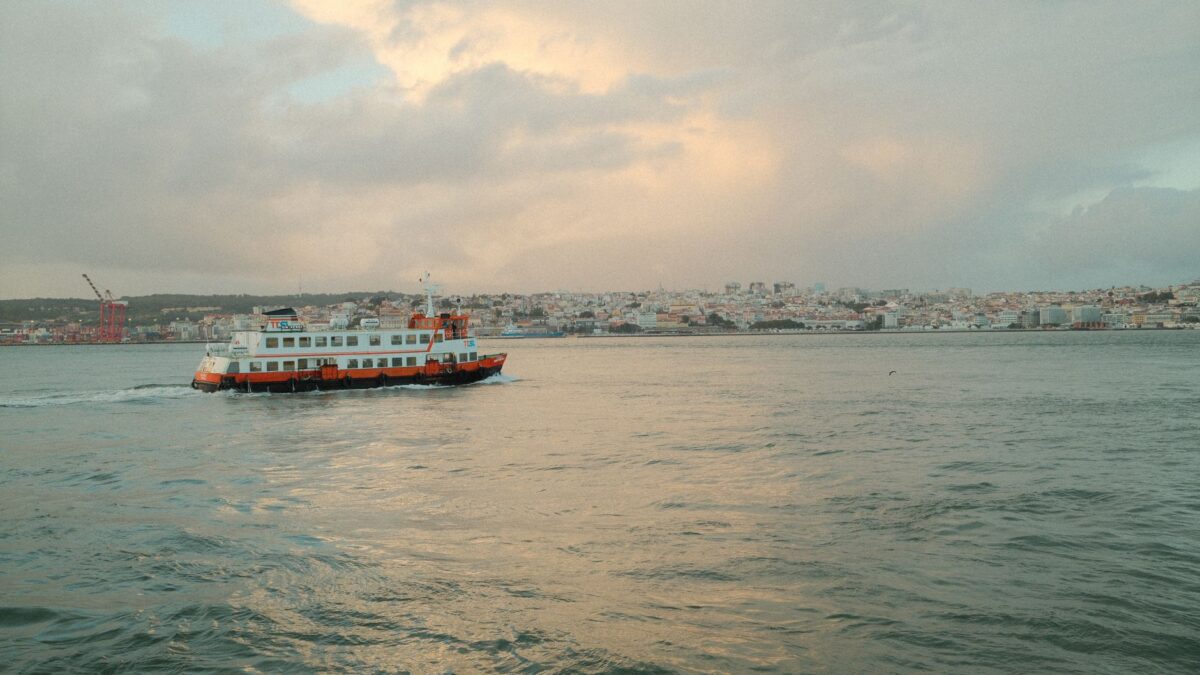
Transtejo Soflusa (the company that runs Lisbon’s Tagus river ferries) is studying a new electrification plan and expects to present it to the Government in 2027. Company president Rui Rei announced this at a panel during the E-POWERING conference, organized by Carris (Lisbon’s bus and tram company), according to the business outlet ECO.
Rei also said that electricity supply is not an obstacle to extending the ferry service to Parque das Nações. That extension is currently in the certification phase with the Câmara de Lisboa (Lisbon city hall).
What the fleet looks like now
Transtejo Soflusa operates ten electric vessels and four charging towers. The company is preparing to bring a fifth tower into service. A related investment will allow six vessels to charge slowly at the same time.
Charging happens while ships are idle, so schedules, equipment availability and operating needs have to be coordinated, Rei explained. The company is also finishing an operations centre that will monitor the ships remotely and support preventive and corrective maintenance.
Costs and early controversy
Rei said electricity costs rose “only between 5% and 6%”. He said the company has so far found no energy availability problems that could compromise its plans. He added that Lisbon has the conditions to continue investing in electric river transport.
Rei, who has led the company for one year, said that six years ago, when tenders for the new ships were launched, the Government did not provide funding for the batteries. This caused controversy over the purchase of the ships and batteries, but he said it did not change his favourable assessment of the switch to electric propulsion.
Skills and charging equipment
Speakers at the conference said electric fleets require new maintenance skills. Workers used to diagnosing combustion engines and mechanical systems now deal with different components, safety procedures and technical monitoring methods. Nuno Vaz Serra of T. Academy said companies should invest in training and requalification, covering both technical teams and the people who plan and manage services. He said willingness among workers to learn is also needed.
Javier Miguel, head of bus operations at manufacturer Iveco, said batteries now reach ranges of 300 to 400 kilometres. Whether that is enough depends on a fleet’s routes, running time and charging opportunities during the day.
Pedro Moreira da Silva, CEO of i-charging, said sizing charging equipment is a long-term decision. An installation built for today’s fleet may become too small as new vehicles arrive, so modular equipment that can be upgraded matters. When a charger fails, several buses or vessels can lose the equipment they need to run, he noted, and operating data can help spot wear before a breakdown.
Panellists also discussed sodium batteries, which may overcome some limits of lithium-ion batteries, notably on safety. Wider use still depends on solving technical difficulties.
What happens next
Transtejo Soflusa expects to present its new electrification plan to the Government in 2027. The Parque das Nações extension still needs certification from Lisbon city hall, and the fifth charging tower is due to enter service.
Source: ECO
Site editor: Nikita Sheikin