How Condominiums Work in Portugal: Fees, Meetings and Repairs
Owning a flat in Lisbon means joining a condominium. Who pays for the roof and the lift, how votes are counted, what the administrator must do and what buyers should ask for.
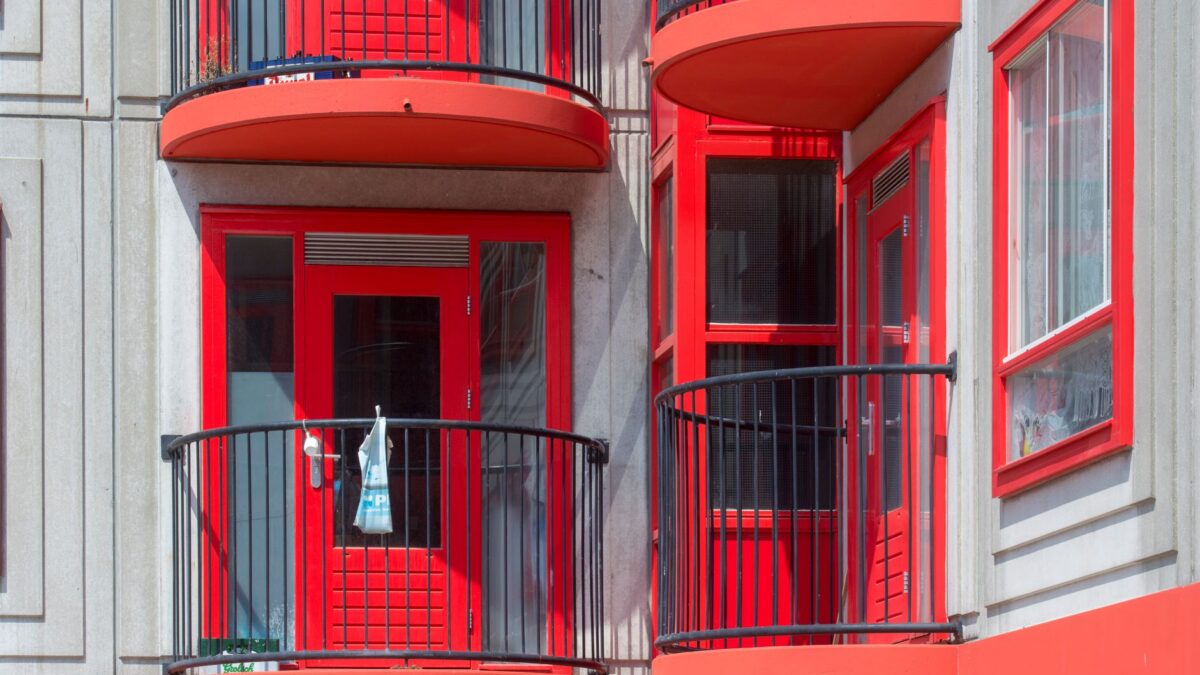
In a Portuguese apartment building, the owners form a condominium (condomínio) that pays for the common parts in proportion to each flat’s share of the building, called its permillage (permilagem). The owners’ meeting approves accounts and a budget each January, elects an administrator, and must keep a reserve fund of at least 10% of the other condominium charges.
The rules are in the Civil Code (Código Civil, articles 1414 to 1438-A) and in Decree-Law 268/94, both amended by Law 8/2022. Everything below is as of November 2026 and is general information; the building’s own regulations (regulamento do condomínio) can add rules, and a lawyer (advogado) can advise on a dispute.
Who pays for what in a condominium?
Each owner pays for the upkeep of the common parts and shared services in proportion to the value of their flat, as set in the building’s title deed (article 1424 of the Civil Code). The owners on the date a cost is approved are the ones liable for it.
- Roof, facade, stairs, structure: all owners, by permillage, unless the title or regulations say otherwise.
- Lifts: only the owners whose flats the lift serves. Ground-floor shops without lift access do not pay.
- Parts used by one owner only: paid by that owner, such as a terrace that serves a single flat. If its poor condition damages other common parts, its repair is shared by permillage unless the damage is that owner’s fault.
- Shared services such as cleaning can be split equally or by use, if the regulations approved by a majority say so without opposition.
Fire insurance of the building, covering both the flats and the common parts, is compulsory (article 1429). The owners take it out; if they do not, the administrator must, and recovers the premium from them.
What is the reserve fund?
Every condominium must have a common reserve fund (fundo comum de reserva) to pay for conservation works. Each owner contributes at least 10% of their share of the other condominium charges, under article 4 of Decree-Law 268/94.
The fund must be held in a bank and is managed by the owners’ meeting. If the meeting uses it for something else, owners must pay an extraordinary contribution to restore it within 12 months.
How do meetings and votes work?
The owners’ meeting (assembleia de condóminos) meets in the first half of January to approve last year’s accounts and this year’s budget (article 1431). It can meet in the first quarter instead if the regulations or a majority decision allow it. Owners holding at least 25% of the building’s value can call an extra meeting.
| Rule (as of November 2026) | What the law says | Source |
|---|---|---|
| Notice of a meeting | 10 days, by registered letter, by notice with signed receipt, or by email for owners who agreed to it in a previous meeting | Civil Code, art. 1432 |
| Votes | Each owner votes by permillage; ordinary decisions pass by a majority of the building’s value | Arts. 1430, 1432 |
| Second call | One week later, or 30 minutes later if set in the notice; decisions by majority of those present holding at least 25% of the value | Art. 1432(6) and (7) |
| Improvements (inovações) | Majority of owners representing two-thirds of the value | Art. 1425 |
| Changing the facade or architecture | Two-thirds of the building’s value | Art. 1422(3) |
| Online meetings | Allowed if the administration decides or a majority asks, preferably by video | DL 268/94, art. 1-A |
Every meeting must have written minutes (ata), and decisions take effect once the minutes are approved (Decree-Law 268/94, article 1). Absent owners must be told of decisions within 30 days.
What does the administrator do?
The administrator (administrador) is elected by the owners, usually for one year, renewable, and can be an owner or a paid company (article 1435). Their duties under article 1436 include calling meetings, drafting the budget, collecting fees, checking the fire insurance and the reserve fund, carrying out decisions within 15 working days, keeping the building’s documents and representing the owners before public authorities.
If an owner does not pay, the minutes that set each owner’s annual contribution are an enforceable title (título executivo) for collecting the debt in court, with late interest and approved penalties (Decree-Law 268/94, article 6). The administrator must start court action within 90 days of the first missed payment when the debt reaches the year’s social support index (IAS), unless the meeting decides otherwise.
What should I ask for when buying a flat?
Ask the seller for the administrator’s debt statement (declaração de dívida). Since Law 8/2022, the seller requests it, the administrator must issue it within 10 days, and it is a mandatory document for the deed (article 1424-A). It lists the current charges, their due dates and any debts of that flat.
Debts are owed by whoever owned the flat when they fell due, unless the buyer waives the statement in the deed and accepts responsibility for any debt. Charges falling due after the sale are the new owner’s. Also ask for the last two sets of minutes and the budget, which show planned works and any special levies. Our guide to taxes when buying property covers the other costs of a purchase, and the IMI guide covers the annual property tax.
Can the condominium stop short-term rentals?
Yes, within limits set by the national short-term rental law. The owners can ban new short-term rental (alojamento local) units in the building by changing the regulations with a two-thirds vote by permillage, and can ask the mayor to cancel an existing unit after repeated, proven disturbance, by a reasoned resolution of more than half the permillage. Our guide to short-term rental rules in Lisbon explains both routes.
The reverse case is also covered: since 2024, an owner can change a unit’s use to housing without the other owners’ consent (article 1422-B), and must tell the administrator within 10 days.
Bottom line
Most condominium disputes come down to two documents: the title deed that fixes each flat’s permillage and the minutes that approve each cost. A buyer who reads the last minutes before signing learns about a roof repair or a facade levy while it can still be priced in.
FAQ
Can I challenge a decision I voted against?
Yes. Within 10 days of the meeting (or of being told, if absent) you can ask for an extraordinary meeting to revoke it; within 30 days you can take it to arbitration. A court action to annul it must be filed within 20 days of the extraordinary meeting or, if none was requested, within 60 days of the decision (article 1433).
Do tenants pay condominium fees?
The law places the charges on the owners. A lease can pass some costs to the tenant, so check your contract.
Is there a minimum monthly fee?
No. The budget approved each year sets the fees, plus at least 10% for the reserve fund on top of each owner’s share.
What if no one wants to be administrator?
If the meeting elects no one, any owner can ask a court to appoint an administrator (article 1435).