EIB Survey: 68% in Portugal Say Energy Prices Cut Their Buying Power
Portugal ranks 7th in the EU for feeling the cost-of-living squeeze, an EIB survey finds. See how residents changed driving and views on clean energy.
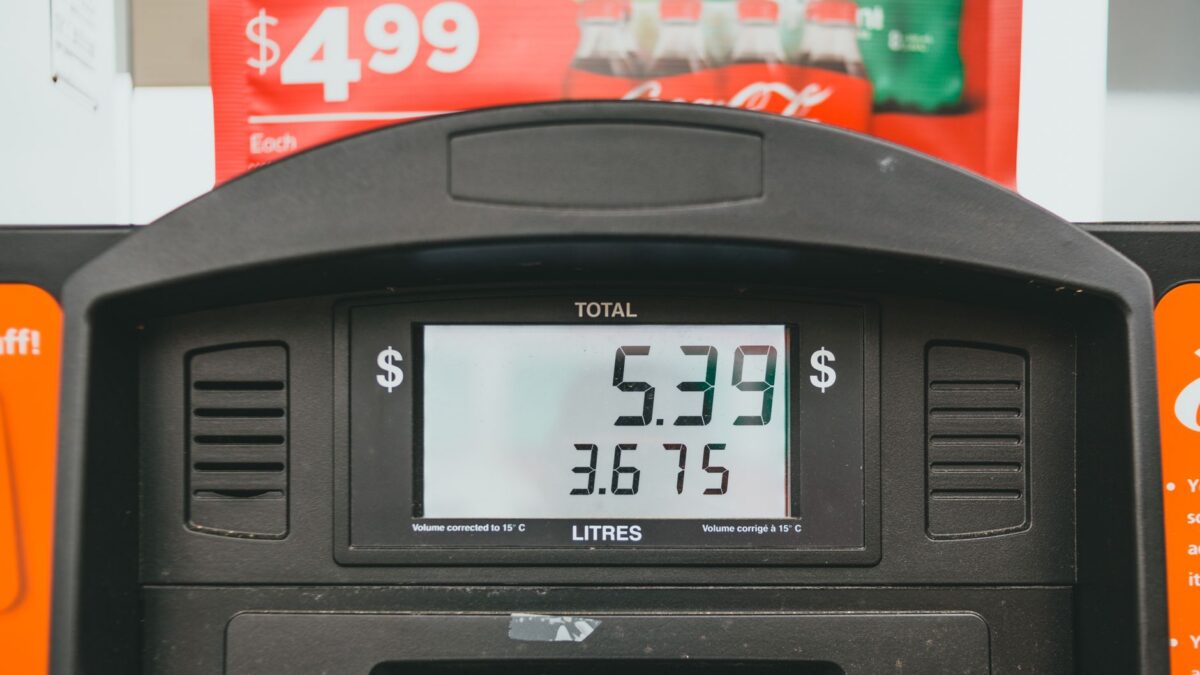
Two in three people in Portugal say their purchasing power fell significantly over the past year because of higher energy bills, according to a survey by the European Investment Bank (EIB) published on Thursday. The 68% share puts Portugal seventh among the European Union’s member states for how hard residents feel the rise in the cost of living.
The result sits above the EU average of 60%. The survey, reported by ECO, Observador and CNN Portugal, blames the squeeze on the prices of natural gas, electricity, motor fuel and heating oil over the last 12 months.
The survey in numbers
- 68%: people in Portugal who say their purchasing power dropped significantly in the past 12 months, the seventh-highest rate in the EU. Romania tops the list at 80%, and Malta is lowest at 23%.
- 65%: residents who have changed how they use the car, by taking fewer trips, driving more slowly to save fuel or switching to public transport more often. That is the sixth-highest rate in the bloc, against an EU average of 60%.
- 34%: people who tried to spend less on everyday food or health, the tenth-lowest rate among the 27 member states and below the European average of 38%.
- 85%: residents who call the energy transition urgent for Portugal. The same share names lower dependence on imported oil and gas as its main benefit.
- 64%: people who see solar power as the most important source for the transition, compared with 52% across Europe. Wind came next at 49%, against a European average of 37%.
- 69%: residents who want the transition run at European rather than national level, while 68% say member states should pool resources instead of each paying alone.
What it means for people living in Portugal
For households in Lisbon and across the country, the figures put a number on what many already see on their bills and at the pump. Portuguese respondents feel energy costs more sharply than most Europeans, and they have reacted mainly by cutting back on driving. Spending on food and health has changed less: only about a third of respondents reported trimming it, a smaller share than in most EU countries.
The car figure matters for anyone who commutes. Nearly two in three residents say they now make fewer journeys, drive slower or take public transport more often, one of the highest rates in the EU.
A shift in why people back clean energy
Attitudes toward the energy transition have moved since the EIB last asked the same questions four years ago. Back then, Portuguese respondents named slowing climate change as the main benefit. Cutting oil and gas imports ranked only eighth, and steadier or lower prices were not mentioned at all.
Now 84% of respondents in Portugal expect the transition to bring more stable or lower prices, and 79% expect it to ease climate change. A majority of 59% prefer building a European clean-technology industry even if that takes longer, while 30% would rather move faster using imported equipment.
What the EIB president said
In a statement released with the survey, EIB president Nadia Calviño said Portugal “has been playing a leading role in Europe’s transition to clean energy.” She described the country’s renewable resources as a chance to reduce Europe’s reliance on imported fossil fuels and to lower energy costs for companies and citizens.
How the survey was done
The EIB based the results on 23 thousand interviews carried out between Aug. 3 and 25 in all 27 EU member states. A thousand people were interviewed in Portugal. The survey focused on the energy transition, with the cost-of-living questions forming part of it.
Sources: ECO, Observador, CNN Portugal