Zero Urges 300 Thousand Homes Near Metro and Train Stations
Environmental group Zero wants vacant and new public homes built near metro and rail stations. What it proposes on taxes, land and green space.
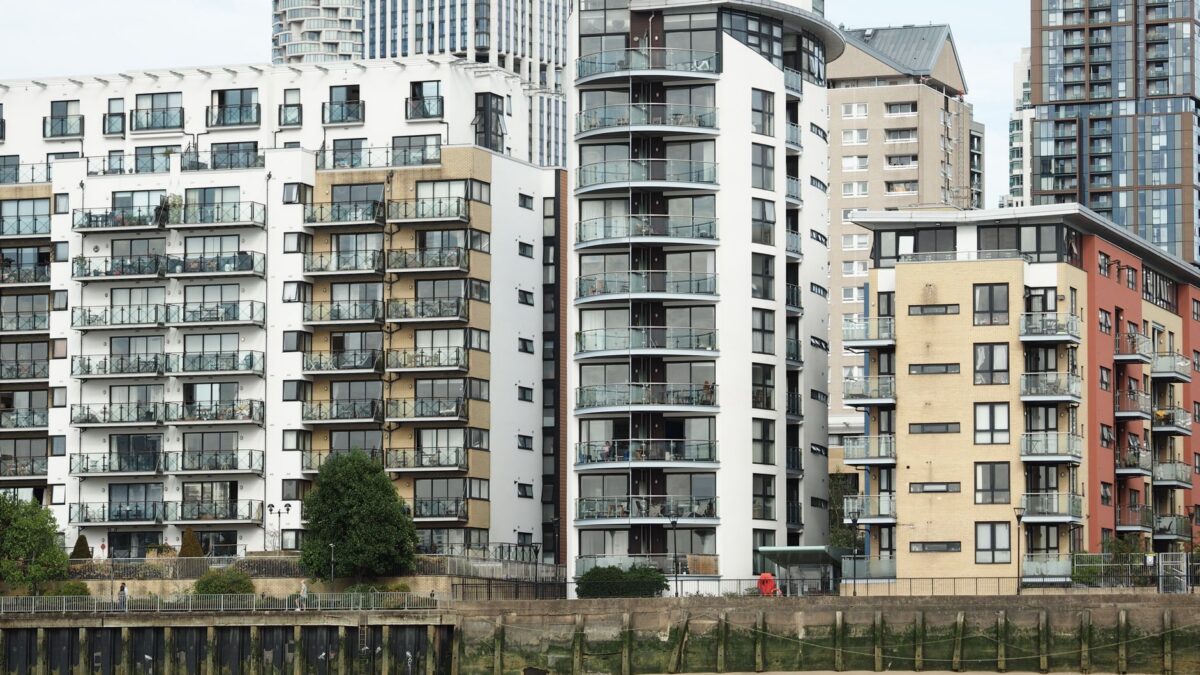
Zero, a Portuguese environmental association, is calling for 300 thousand affordable, energy-efficient homes near metro and train stations, according to Público. In a document released on Friday, Nov. 13, the group said the plan would ease the housing crisis “without worsening urban sprawl and car dependence.”
Zero points to 2021 census data showing more than seven hundred and twenty-three thousand vacant dwellings. It contrasts that with Banco de Portugal figures indicating that home construction has fallen about 300 thousand units short of the growth in the number of households.
How Zero would create the homes
The association splits its proposal into three parts: bringing 150 thousand habitable empty homes back into use, rehabilitating 50 thousand dwellings and building 100 thousand new public or cooperative homes. Zero says this combination would use existing buildings and add lasting affordable supply.
For the new public housing, Zero says the Programa Sectorial de Habitação e Mobilidade (PSHM, the sector programme for housing and mobility) should list public land within two kilometres of stations and rail or metro hubs in metropolitan areas and other large urban areas. The group prefers buildings that can be converted and land that already has infrastructure. It wants the programme’s strategic environmental assessment to begin in 2027 and says protected land (the Reserva Ecológica Nacional and the Reserva Agrícola Nacional) should stay off limits.
Climate, green space and design
Zero asks for checks on water supply and on risks of flooding, coastal erosion, fire, unstable slopes and extreme heat before any construction. It also wants permeable soil preserved and nature-based measures used against heat and floods.
The association recommends the 3-30-300 rule, which the European Commission cites in its climate adaptation guidance: at least three trees visible from every home, 30% tree-canopy cover in each neighbourhood and a quality green space within 300 meters.
In the selected areas, Zero says high-density prefabricated construction should form neighbourhoods with services, facilities and green space. It would set aside at least 20% of new homes for public employees, based on income, housing need and distance to work.
Taxes on empty homes
Zero supports higher taxes on vacant properties and wants them extended to properties advertised for sale or rent for more than 12 months. To discourage abuse, it proposes a penalty of 3% of the property’s taxable value for proven false declarations made to delay collection. It also suggests pausing increases in the IMI (Imposto Municipal sobre Imóveis, the municipal property tax) for owners “without means” who make their properties available for rehabilitation and affordable rental.
The group argues that public land and buildings should stay public, and that cooperative housing should remain collectively owned, with rents tied to costs, limits on sales and capital gains, and surpluses reinvested. It says the government and municipalities should publish each year what the programme costs, how many homes were made available and how many remain affordable.
Why it matters
The proposal ties housing supply to public transport, so that people on lower incomes can live near stations. It remains a proposal from an advocacy group, not government policy.
Zero also backs a European Citizens’ Initiative called “Right to Housing! Now and Forever,” started by the nonprofit HouseEurope!. The initiative asks the European Union for a European register of vacant buildings, faster permits to convert them into homes, priority for nonprofit operators, penalties for homes left empty and a guarantee that nobody loses their home because of publicly funded works. Signature collection began on Sept. 14 and ends on Sept. 13, 2027.
Source: Público
Site editor: Nikita Sheikin