Portugal D7 Visa: Income Needed, Documents and AIMA Permit
The D7 is the residence visa for retirees and people who live on pensions, rents or investments. The income test, the consulate step and what happens after you land.
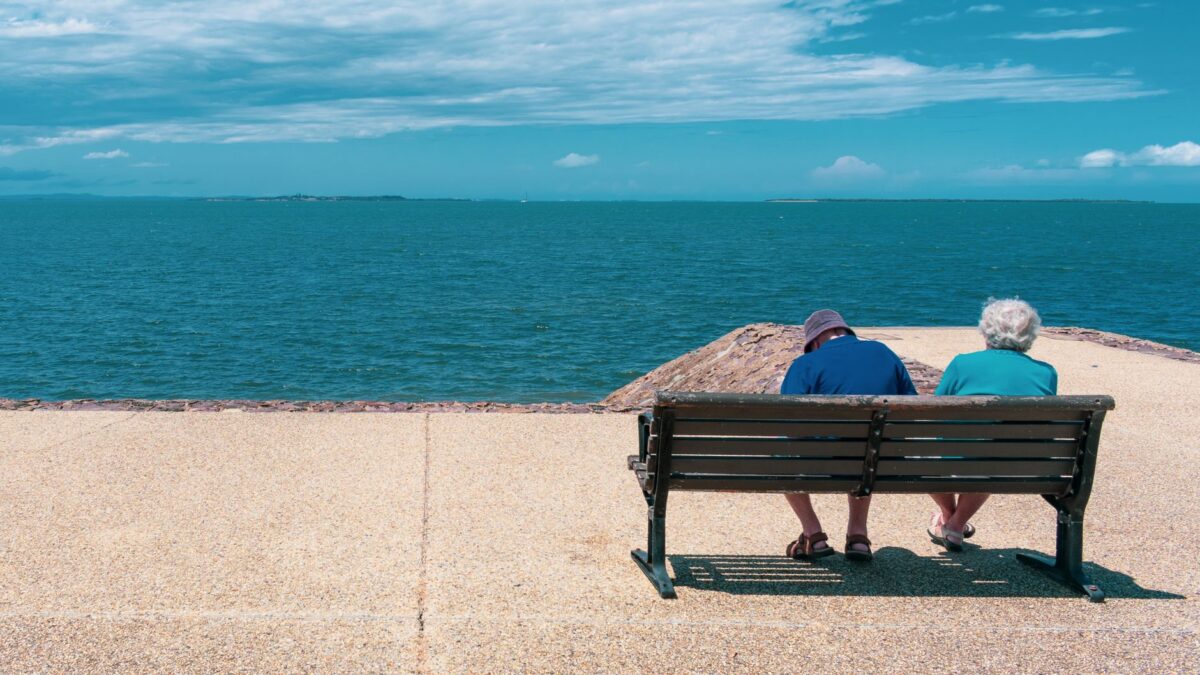
The Portugal D7 visa is the residence visa for retirees and people living on passive income such as pensions, rents or dividends. As of November 2026 the main applicant must show regular income of at least €920 a month, the 2026 minimum wage, net of social security deductions. You apply at a Portuguese consulate, then get a residence permit from AIMA.
“D7” is the everyday name for what the Foreign Ministry calls a residence visa for retirement, religious purposes or people living from passive income. The rules and amounts below are as of November 2026, from the official visa portal and AIMA.
How much income do I need for a D7 visa?
The test is based on the monthly minimum wage, which the Foreign Ministry’s visa portal gives as €920 for 2026. Each extra family member adds a percentage of that amount:
| Household member (as of November 2026) | Share of minimum wage | Per month | Per year |
|---|---|---|---|
| Main applicant | 100% | €920 | €11,040 |
| Second adult (for example a spouse) | 50% | €460 | €5,520 |
| Each child under 18, or dependent adult child | 30% | €276 | €3,312 |
A couple therefore needs €1,380 a month and a couple with one child €1,656. The income must be stable and regular. For accompanying relatives, the portal asks for means covering the expected stay or 12 months, whichever is shorter. The minimum wage changes every January, so recheck the figure if you apply in 2027.
Which documents does the consulate ask for?
The general residence visa list on the Foreign Ministry’s visa portal applies, plus proof of the passive income itself:
- the national visa application form, signed, and two recent passport-type photos;
- a passport valid for at least three months after your planned return, and a copy of the data page;
- proof of legal status if you apply outside your country of nationality;
- travel insurance covering medical care, urgent assistance and repatriation (some bilateral health agreements replace it, for example for Brazil and the UK);
- a criminal record certificate from your country of nationality or any country where you lived for more than a year, with an apostille or legalization (not needed under 16);
- proof of means of subsistence;
- for retirees, a document stating your pension amount; for others, documents showing income from property, intellectual property or financial assets.
The portal adds that consulates may ask for more documents. Check your consulate’s own checklist before booking.
How do I apply and how long does it take?
You apply at the Portuguese consulate or its visa service provider in the country where you live legally. The steps:
- Get a Portuguese tax number (NIF) and, if possible, a bank account; see our guide to getting a NIF in Portugal.
- Gather and translate the documents, then book the consulate appointment.
- Pay the national visa fee, €110 as of November 2026.
- Wait for the decision. The legal deadline for a residence visa is 60 days.
The residence visa is valid for two entries and four months. During those four months you must apply to AIMA for a residence permit.
What happens with AIMA after I arrive?
AIMA turns the visa into a temporary residence permit. AIMA’s page on the general residence permit lists what to bring:
- passport and your valid residence visa;
- proof of means of subsistence;
- a sworn statement of your address, with the land registry certificate if you own the home or a statement from the landlord if you rent;
- proof of registration with Finanças and Social Security, where applicable;
- health insurance, or proof that you are covered by the National Health Service (SNS).
As of November 2026, AIMA says an online platform for residence visa holders is being rolled out; otherwise the request is made by appointment at an AIMA office, where your fingerprints and photo are taken. Our guide to getting an AIMA appointment covers the channels.
How long is the permit valid and what comes after?
The first temporary residence permit is valid for two years and renews for successive three-year periods. Renewals now run through AIMA’s online Renewals Portal; see our guide to renewing a residence permit.
After five years of temporary residence you can apply for permanent residence, which requires basic Portuguese among other conditions. Citizenship is a separate step: since May 2026, nationals of countries outside the EU and the Portuguese-speaking world need 10 years of legal residence. Living in Portugal also usually makes you tax resident here, which brings an annual IRS return.
Can my family come with me on a D7?
Yes. Your spouse, minor children and certain other relatives can apply for their own residence visas at the same time, as accompanying family members, with proof of the family tie and of income that covers everyone. If they join later, after you already live in Portugal, the family reunification rules apply instead, including a waiting period in most cases; see our guide to family reunification in Portugal.
Bottom line
Work out your household total with the 100/50/30 percent rule before anything else, and make sure the income shows up as regular monthly payments in your documents, not as a one-off balance. Plan the arrival so the AIMA step fits inside the four months your visa allows.
FAQ
Can I work in Portugal on a D7?
The D7 is built around passive income, so the consulate judges your application on that income. Questions about combining it with employment or freelance work depend on your case and are best checked with AIMA or an immigration lawyer.
Is savings in a bank account enough?
The portal asks for proof of stable and regular means, and for passive income it asks for documents showing revenue from property, intellectual property or financial assets. Savings alone may not meet that test; consulates decide case by case.
Is the D7 the same as the digital nomad visa?
No. The digital nomad visa is for people working remotely for clients or employers abroad and requires average monthly income of at least four times the minimum wage over the last three months.
Do I need Portuguese for the D7?
No language test is required for the visa or the first permit. Basic Portuguese becomes a requirement for permanent residence; one common proof is the CIPLE A2 exam.