Lisbon Funicular Audits Show Cable Faults; Moedas Denies Hiding Them
Audits found cable faults on Lisbon's Glória, Lavra, Bica and Santa Justa lifts. Mayor Moedas denies hiding reports; the opposition says he lied.
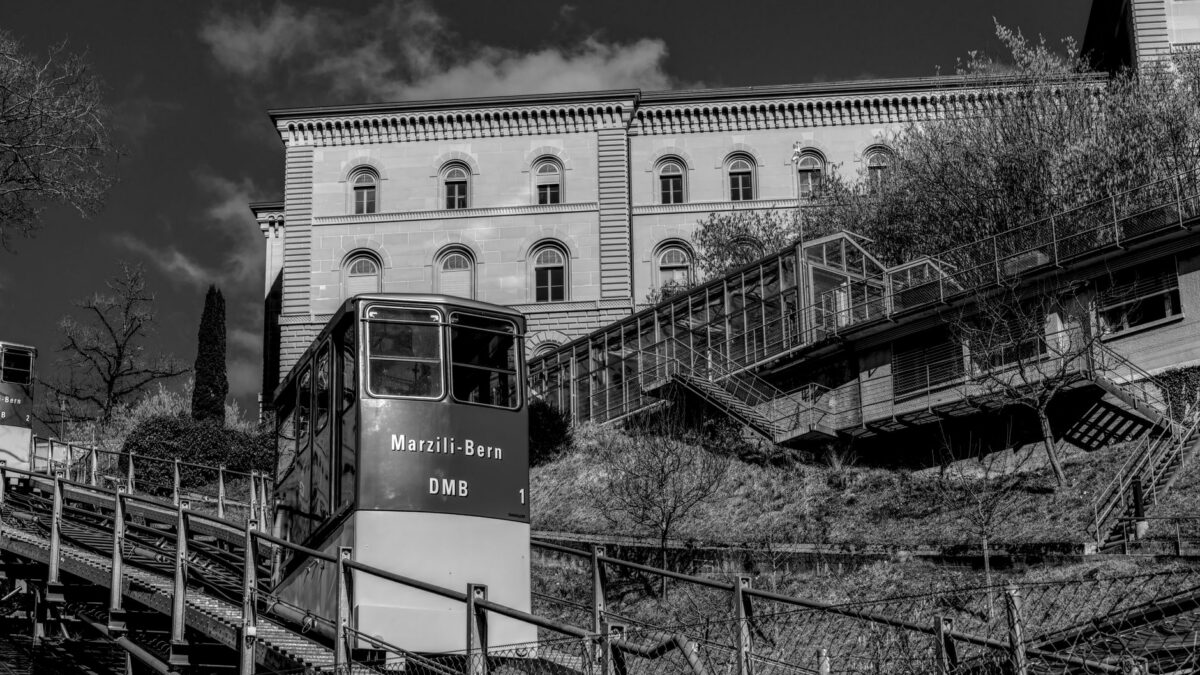
External audit reports on Lisbon’s historic lifts show cables that did not match the reference standards on four of them, and the city’s political parties disagree over who knew what. Mayor Carlos Moedas said on Thursday, Nov. 19, that he did not hide the documents. Socialist councillor Alexandra Leitão accused him of lying.
The Glória, Lavra, Bica and Santa Justa lifts have been closed since the Glória derailment of Sept. 3, 2025, which killed 16 people. Only the Graça funicular has reopened, at the end of April 2026.
What the audits found
The reports come from CATIM (Centro de Apoio Tecnológico à Indústria Metalomecânica), a technology centre for the metalworking industry, and are dated October and November 2025. According to Observador and Diário do Distrito, opposition councillors received them only on Wednesday, Nov. 18, after a TVI/CNN report on their alleged concealment.
CATIM found that the cables met standard EN 12385-4, while these installations should use cables meeting EN 12385-8. On the Glória lift, the cable certificates say the cables cannot be used with a swivel device, yet the connections to the cars have one. CATIM also found no evidence of any magnetic inductive inspection or test of the cable after the last one was installed in 2024.
The Lavra lift did not meet the safety conditions to operate, the audit concluded. On the Bica funicular it listed problems requiring “significant and urgent” work. At Santa Justa the cable did not conform, but CATIM judged the connections to the drum and cabins safe and noted the system has 12 cables.
The Graça funicular received a favourable overall assessment, though CATIM noted gaps in its emergency evacuation and rescue plan.
What the mayor says
Moedas told reporters he asked for the reports on the night of the accident and decided that all the historic lifts should stop. “I did not hide anything because I did not know about these reports,” he said, as quoted by Lusa. He called them technical documents for technicians, not politicians, and described them to Observador as intermediate reports ahead of the final one.
He said he knew of no technical problems before the accident, and that the final report will say where the errors were. Speaking on SIC Notícias that evening, he said the findings match what the city has known for a year, according to Observador.
What the opposition says
Leitão, on RTP Notícias, said the opposition had been asking for any existing reports for a year and was told there were none. She said the reports have existed since Oct. 31, 2025, and that they refer back to earlier reports showing the problems were identified in 2022. In her view, the city knew the lifts had serious integrity and safety problems and did nothing. She said Moedas should have fixed them earlier, not closed the lifts after the accident, and that he cannot blame Carris or his deputy mayor.
She said a censure motion in the municipal assembly is a later consideration and “not the most important” thing. The priority, she said, is for Moedas to tell residents what he knew.
What this means for Lisbon
The four lifts stay closed while the investigations continue. The public prosecutor’s office is waiting on tests and expert reports planned for this month, and expects a final decision on the inquiry by the end of the first quarter of 2027, barring surprises. The accident investigation body GPIAAF has also postponed its final report to the end of that quarter, citing the complexity of the technical analysis.
The insurer Fidelidade, which handles compensation for victims and families, declined to comment on the CATIM reports and said it awaits the official inquiries. Diário do Distrito reported it has paid more than 2.5 million euros in compensation and medical costs.
Sources: RTP Notícias, Diário do Distrito, Observador
Site editor: Nikita Sheikin