Portugal Diabetes Report: 960,000 Cases, Lisbon Region at 7.6%
Diabetes now affects 960,000 people in Portugal, a new national report shows. See regional rates, insulin pump access, deaths and the cost to the SNS.
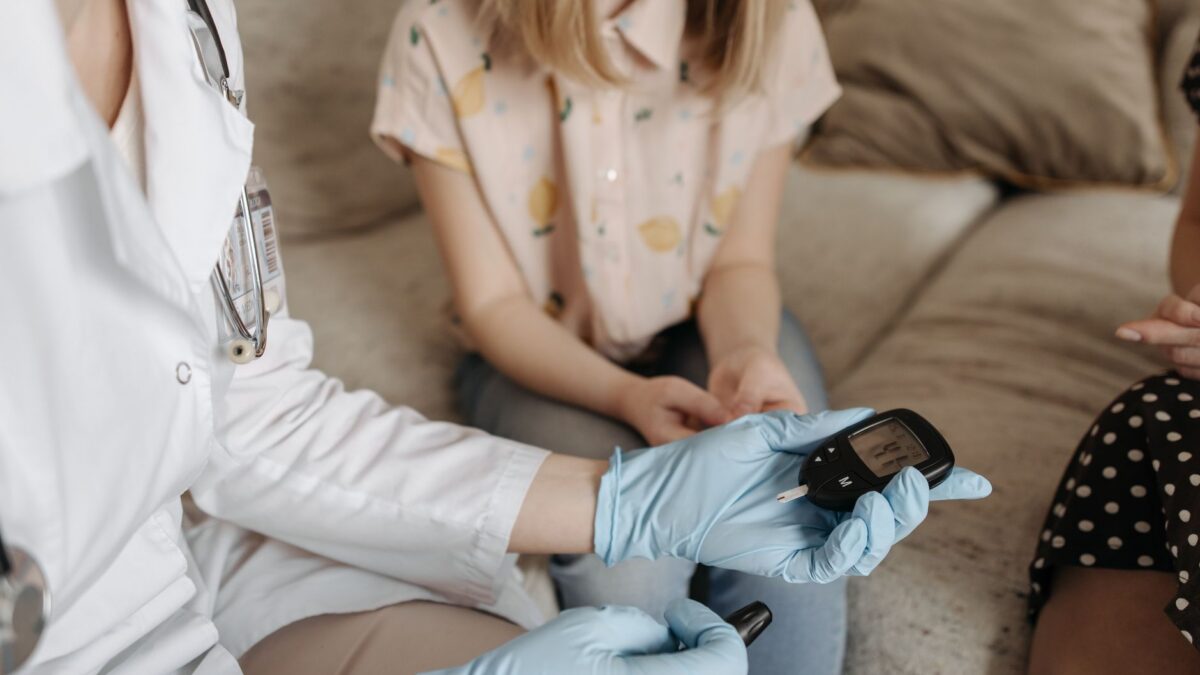
Diabetes now affects 960,000 people in Portugal, according to the 2026 National Diabetes Programme Report, which counts 23,055 more registered cases than in 2024. People with the condition make up 8.9 percent of everyone registered for primary care with the SNS (Serviço Nacional de Saúde, Portugal’s national health service).
The Lisbon and Tagus Valley region has one of the lowest rates of diagnosed diabetes in the country, at 7.6 percent. The report’s director says many people still have the disease without knowing it, and the report was published ahead of World Diabetes Day on Saturday, Nov. 14, The Portugal News reported.
The central figures in the 2026 report
- 960,000 people in Portugal have diabetes, up by 23,055 registered cases from 2024.
- More than 14 percent of residents aged 20 to 79 have diabetes, by the estimates the report’s director cited, which is well above the share already diagnosed.
- More than 24,000 people live with Type 1 diabetes, and 3,161 of them are under 20.
- 6,294 people were on continuous subcutaneous insulin infusion (insulin delivered through a pump under the skin) by the end of 2025, and 5,474 of them used automated insulin delivery systems.
- 2.6 percent of all deaths in Portugal in 2024 were attributed to diabetes.
- €748.7 million was spent on direct healthcare costs linked to diabetes in 2025, according to the report by the DGS (Direção-Geral da Saúde, Portugal’s Directorate-General of Health).
How Lisbon compares with other regions
The share of diagnosed patients varies widely across mainland Portugal. The Alentejo has the highest rate at 10.6 percent, followed by the North at 9.9 percent and the Centre at 9.6 percent. Lisbon and the Tagus Valley sits at 7.6 percent, and only the Algarve is lower, at 7.4 percent.
A lower diagnosed rate does not tell the whole picture. Sónia do Vale, director of the report, said many cases remain undetected and that finding them early is a priority so treatment can start before complications appear. “We still need to find more cases,” she said.
Screening shows a third at higher risk
Primary care centres in mainland Portugal run risk assessments for Type 2 diabetes, the form behind most cases. Of the people assessed, 17.2 percent had a moderate risk of developing the condition, 13.4 percent a high risk and 1.1 percent a very high risk.
About two-thirds of those eligible have been screened so far. The results suggest roughly one-third face a higher chance of developing diabetes within the next decade. Do Vale pointed to a balanced diet, regular exercise, not smoking and a healthy weight as ways to lower that risk.
Insulin pumps now come through pharmacies
Access to insulin pumps improved after a change in early 2025, when community pharmacies began supplying them. Among children and young people, coverage rose from 55 percent in 2024 to 80.5 percent last year. Do Vale said the newer systems work more efficiently and make daily life noticeably easier for patients, and she expects access to keep widening during 2026.
New Type 1 registrations among children up to age 14 have stayed fairly steady since 2023, while cases among 15 to 19 year olds have fallen.
What it means for patients and the SNS
More diagnoses have come with some better outcomes. The report records fewer heart attacks, strokes and episodes of hypoglycaemia (dangerously low blood sugar) among people with diabetes. Do Vale credited tighter blood sugar control, better management of blood pressure and cholesterol, and newer treatments. Deaths among people under 75 have dropped significantly since 2020.
The cost remains heavy for the health service. Spending on medicines and medical devices climbed in recent years but held roughly level against 2024, while the cost of hospital admissions for people with diabetes has been slowly falling. In 2024, hospitals recorded 281,349 episodes involving patients with diabetes. Where diabetes was the main diagnosis, there were 52,816 outpatient episodes and 6,963 admissions.
Source: The Portugal News
Site editor: Nikita Sheikin