Portugal Rises to 11th in Climate Ranking as Transport Lags
Portugal climbs one place to 11th in the 2027 Climate Change Performance Index, but transport emissions stay high. It also covers renewables.
Portugal moved up one place to 11th in the 2027 edition of the Climate Change Performance Index (CCPI), a ranking released Wednesday by the German groups Germanwatch and the NewClimate Institute. The report credits a fall in greenhouse gas emissions per person, but says emissions from transport remain high.
The index was presented at the United Nations climate conference, COP31, held in Antalya, Turkey. Denmark leads the table again, while the European Union as a bloc sits in 19th place with what the report calls an average performance.
What drove Portugal’s improvement
According to the report, per-person emissions fell 15,1% over the past five years and reached 4.81 tonnes of carbon dioxide equivalent in 2025. Público, which cited the environmental association Zero, reported that the CCPI rounds this trend to about 15% over five years.
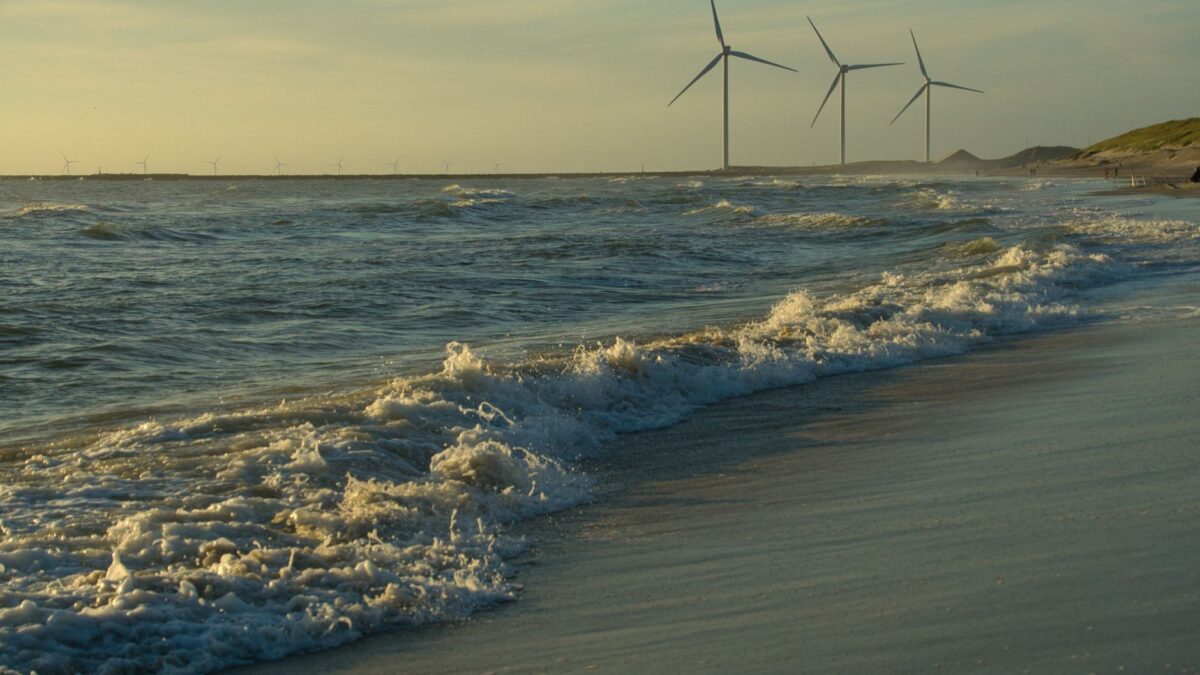
Renewable sources supplied 32,46% of energy consumption in 2024, a share the ranking describes as relatively high. Público reported the figure as 32,5% of total primary energy supply, and said it earns a “high” rating on that indicator.
The CCPI assesses 64 countries and the European bloc, which together account for 90% of global greenhouse gas emissions. It weighs four areas: emissions (40%), renewable energy, energy use and national climate policy (20% each). Portugal gets a “high” overall rating but only “medium” in each of the four categories, according to Zero, which contributed to the national assessment. Portugal ranks ahead of Spain, France, Germany and the EU as a whole.
Why the ranking is lower than it looks
Público notes that the first three places in the table stay empty, as they did in the 2026 edition, because no country is fully aligned with the Paris Agreement goal of limiting warming to 1.5 degrees Celsius. Denmark therefore appears formally in fourth place, and Portugal’s 11th position is in practice eighth.
Portugal also gets a “low” rating on the sub-indicator that compares per-person emissions with a pathway for keeping warming below 2 degrees Celsius. Zero warns that the current downward trend may not be enough to meet that requirement.
Transport is the weak point
Transport accounted for 35,2% of national emissions in 2024, roughly 18,1 million tonnes of CO2 equivalent, according to the CCPI data. Público says the Agência Portuguesa do Ambiente (APA, Portugal’s environment agency) had already published that share. The country’s national energy and climate plan (Plano Nacional de Energia e Clima, PNEC), revised in 2024, calls for a 40% cut in transport emissions by 2030 from 2005 levels.
The authors say electric vehicle uptake is rising, but electrification of heavy vehicles is limited by a lack of incentives. Zero wants more investment in public transport, rail, walking and cycling, and solutions for heavy vehicles and logistics, and says dependence on the car should fall.
Gas, oil and subsidies
The report faults Portugal for the lack of a concrete plan to phase out gas and oil. It warns that keeping gas-oriented infrastructure could prolong dependence on fossil fuels. The authors also criticize fossil fuel subsidies and tax exemptions adopted in response to the energy crisis, and the free allocation of emission permits to carbon-intensive industries.
Zero adds that the land use and forestry sector was a net source of carbon in 2024 instead of absorbing emissions from other sectors. The association points to wildfires and to structural factors such as extensive eucalyptus monocultures. Waste made up 10,9% of national emissions in 2024, according to the Portuguese CCPI profile cited by Zero, which says Portugal has not met the EU’s minimum recycling levels since 2020.
What this means for Portugal
Portugal’s standing is solid in the international table, but the report puts the pressure on road transport, fossil fuel support and forests, the areas where national targets are furthest from current results. Zero says the country must now turn targets and strategies into actual emission cuts in the hardest sectors, in line with the EU’s 2050 climate neutrality goal.
Among the biggest emitters, results are weaker. The United Kingdom is the only G20 country in the high-performing group. China is 56th, Saudi Arabia 65th, Russia 66th and the United States 67th, ahead only of Iran in 68th. Turkey, the host of COP31, is 53rd.
The report’s lead author, Jan Burck of Germanwatch, said no country is doing enough to meet the Paris Agreement, though some stand out for progress. He said the index shows those countries moving closer to the needed level of action while the gap widens to the laggards.
Sources: ECO, RTP Notícias, Público
Site editor: Nikita Sheikin