PTRR Agency Head Says 3 of 15 Short-Term Measures Slip to 2027
Three of 15 short-term PTRR measures, including domestic roaming and disaster insurance, will slip to 2027. Generators, Starlink kits and storm repairs explained.
Three of the 15 short-term measures in Portugal’s resilience plan will not be done in 2026 and are now expected in 2027, according to Luís Leite Ramos, president of the agency that oversees the plan. The delayed items are domestic roaming between mobile networks, the reform of INEM (Portugal’s national medical emergency service) and a catastrophe insurance scheme, which will arrive together with a new calamity fund.
The plan is called Portugal Transformação, Recuperação e Resiliência (PTRR, Portugal’s transformation, recovery and resilience programme). Leite Ramos spoke in an interview on Conversa Capital, a programme of Antena 1 radio and Jornal de Negócios, reported by RTP Notícias.
Why the deadlines were missed
Leite Ramos said the government should have been “more cautious” when it labelled the measures, either giving them a medium-term target or stretching the deadline to 2027. He used domestic roaming as his example, saying the agency had been too optimistic and had expected the problem to be solved quickly.
The calamity fund will be paid for out of the state budget. It will start with 20 million euros, and Leite Ramos said it could grow to 100 million euros. The catastrophe insurance will be ready next year, at the same time as the fund.
Generators, Starlink kits and the power grid
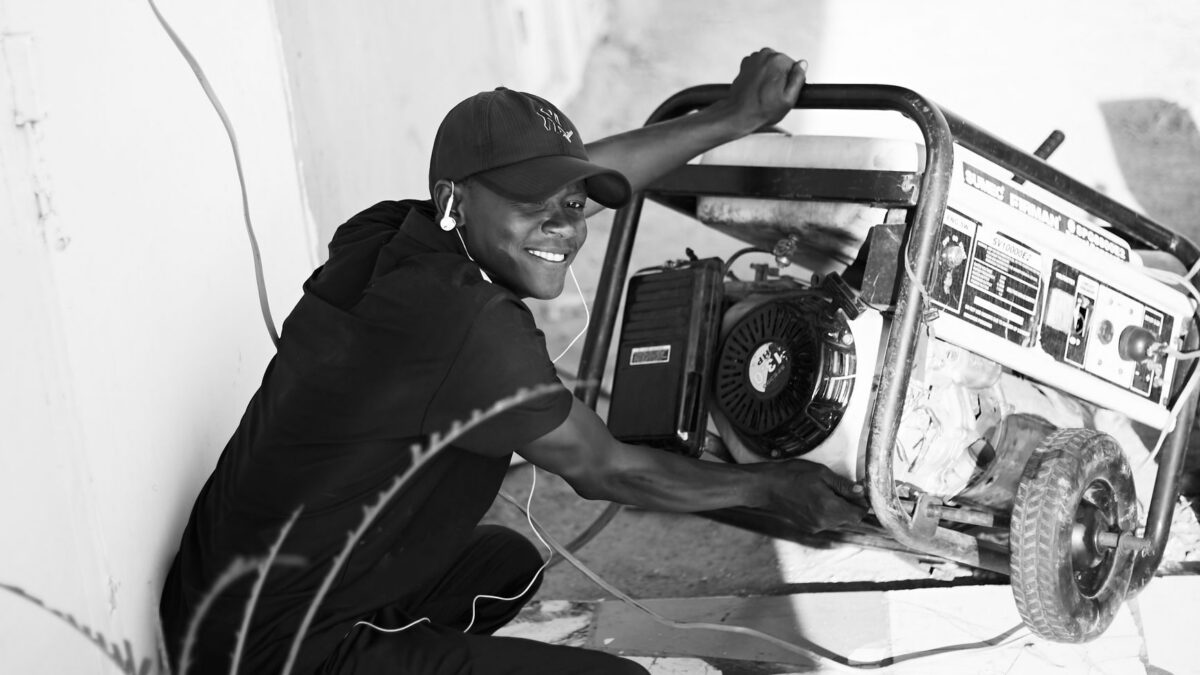
A tender for 700 generators, meant mainly for freguesias (parishes, the smallest unit of local government), attracted no bidders. A new tender will be launched and may be split in two. Those units come on top of 2100 generators already bought for critical infrastructure.
On Starlink satellite internet kits, Leite Ramos said 3566 units had been awarded in five months and 2752 of them had already been delivered. Every parish that accepted the equipment will have it in 2027. Some parishes turned it down.
Investment in the electricity grid begins next year, and the plan includes burying some power lines underground.
What it means for the budget and storm preparedness
Leite Ramos said the money allocated to the PTRR is enough for now, but studies on earthquake risk could show that more money is needed for critical infrastructure.
The country was under a state of alert last Wednesday because of storms Bruna and Charles. Leite Ramos said the government handled it correctly and should do the same in a similar situation. He added that Portugal is better prepared than it was before the train of storms that hit the central region, but said it would be dishonest to claim the country is ready to face another series of storms like that one.
For people living in Lisbon and elsewhere, the delays mean the disaster insurance scheme and the calamity fund will not be available before 2027. The same goes for the INEM reform and domestic roaming, which would let phones switch to another operator’s network when their own fails.
Rebuilding in the central region
In the central region, roads still need repairs and houses still need rebuilding, mostly because there are not enough workers, Leite Ramos said. He said the 5.3 billion euros set aside for that recovery will be spent by the end of next year.
Source: RTP Notícias
Site editor: Nikita Sheikin