Seguro Won’t Promise Rent Law Veto, Asks for Porto Police Footage
President Seguro gave housing protesters no promise to veto the new rent law but asked for videos of police charges in Porto. What he said and what comes next.
President António José Seguro refused on Friday to commit to vetoing the revision of Portugal’s rent law, telling housing protesters he had not yet seen the bill. In the same closed-door meeting he called their accounts of police charges in Porto serious and asked for the video recordings they say they have, according to Observador.
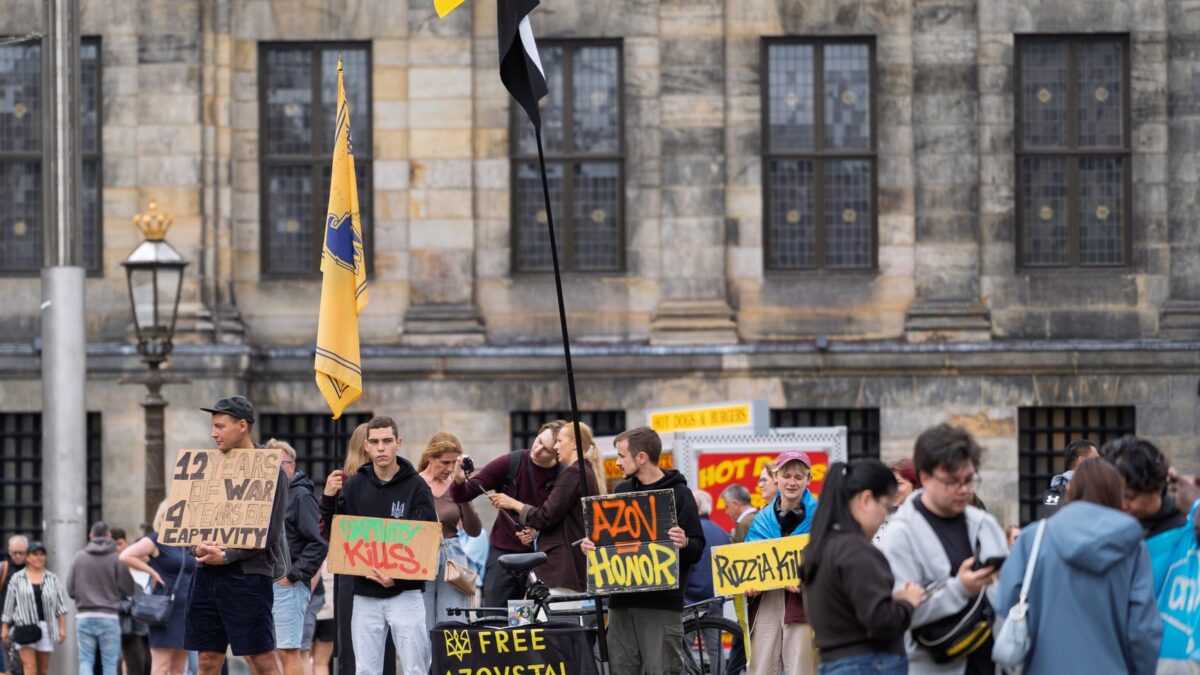
The meeting at Belém, the presidential palace, brought together 25 representatives of the Acampadas (the protest camps over housing) and the Casa Para Viver housing movement. It was planned for two hours and ran close to three, the newspaper reported, citing several people who were in the room.
No commitment on the rent law
The protesters’ most direct demand was a block on the new rent law, which the governing AD coalition and Chega can still pass in the Assembleia da República (Portugal’s parliament). They wanted Seguro to say now that he would use a political veto if the law reached him.
He declined. Sources quoted by Observador say he told the group he had not seen the bill and did not know whether it would reach Belém at all. Another person present said he explained the limits of his office: even if he vetoed the law, parliament could vote it through again.
Police charges in Porto
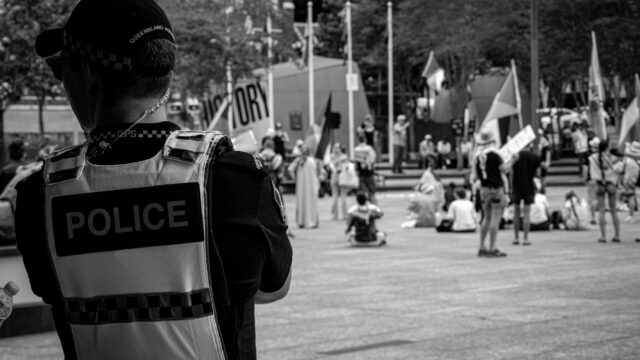
Protesters described what they said happened during police charges at the Porto camp: a woman identified and detained without reason, a protester whose helmet was removed before he was hit on the head with a baton, officers who covered their identification, attacks on medical staff and on a journalist, and riot police acting differently from one another, some using only shields and others batons.
Seguro said he had stayed awake until six in the morning on Nov. 1 and did not understand why the charge happened. Some of those present described him as visibly moved. He asked for the footage, which he said he had not seen, and the protesters agreed to send it to Belém. He said he is waiting for the Ministério Público (public prosecutor) inquiry and the report from the PGR (the prosecutor general’s office).
When the group asked for guarantees that there would be no more charges, Seguro said the government is in charge of the police and that he would stay attentive. He said he speaks with Prime Minister Luís Montenegro every week but does not disclose what they discuss.
What it means for the housing protests
The camps have now lasted 30 days, which Seguro cited as proof the movement has worked. He said the Acampadas have public recognition and that housing is a problem felt across the population. That matters because he has faced criticism for receiving informal movements that make decisions in popular assemblies.
He was critical of the parties. Seguro said he had pushed them to reach agreement on housing and that they fell out within a day. He added that he is not the parties’ father but that “they will have to reach an agreement.” He also told the group that many of their proposals match what his own office, the Casa Civil, proposes, and protesters immediately asked him to say so in public.
Seguro promised to pass on the concerns he heard to the government. When two hours had passed and 10 people were still waiting to speak, he asked his aide-de-camp to move his other appointments so everyone could be heard. One protester told Observador the president “showed he is on our side.”
What happens next
The rent law revision still has to go through parliament before it could reach the president. On the Porto charges, the protesters are due to send their footage to Belém, and the prosecutor’s inquiry and the PGR report are still pending.
Source: Observador
Site editor: Nikita Sheikin