Why Portugal Names a Storm Only When IPMA Issues an Orange Warning
In Portugal a storm gets a name such as Kristin or Charles only when IPMA issues an orange or red warning. How the names are chosen and shared with Spain.
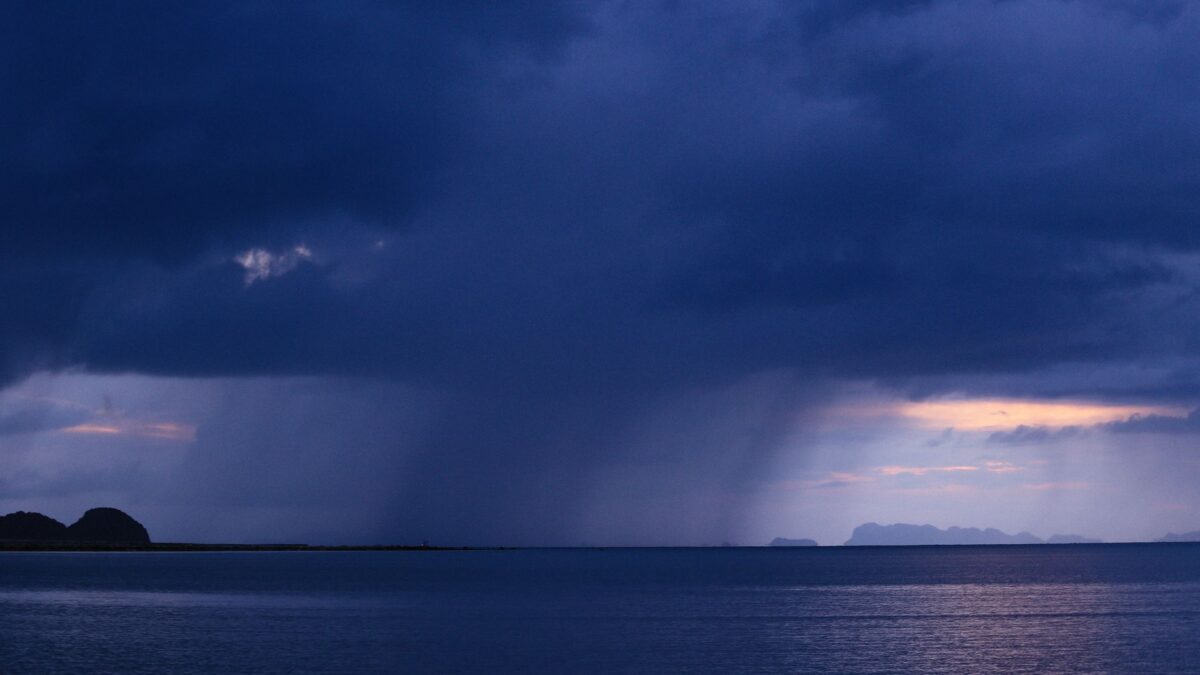
A storm heading for Portugal gets a proper name, such as Kristin, Charles or Nuria, only when forecasts lead IPMA (Portugal’s weather and sea institute) to issue an orange or red warning, according to the Lisbon outlet Lisboa Secreta. Rain alone, or a yellow warning, is not enough.
The names come from a list drawn up each year by weather services in a group of countries that includes Portugal, so a storm named first in Spain keeps that name when it reaches Portugal, even if IPMA’s warnings here stay at yellow.
Why do storms get people’s names at all?
The names replace technical language that most people find hard to follow. Instead of a forecast describing an extratropical cyclone with a central pressure of 980 hPa (hectopascals, the unit forecasters use for air pressure), the public hears a short warning built around an ordinary name.
The goal, Lisboa Secreta reports, is to make the message clearer for the population. A name is easier to remember and repeat than a pressure reading.
Who chooses the names?
The selection is made through EUMETNET, the network of European national weather services. Portugal is in a regional group with Spain, France, Belgium, Luxembourg and Andorra.
Every year the weather services of these countries meet to put together the official list for the region. The names go in alphabetical order and alternate between men’s and women’s names. Options on the list include Alice, Claudia, Emilia, Harry, Joseph, Nils and Oriana. The letters Q, U, X, Y and Z are left out.
When does IPMA give a storm a name?
Not every spell of bad weather qualifies. A storm only takes a name from the official list once it reaches a high level of severity.
In Portugal, that threshold is tied to IPMA’s warning system: a storm is named only when forecasts force the institute to issue warnings at orange or red level. IPMA’s warnings run in colors, and the guide to what yellow, orange and red warnings mean in Lisbon sets out how the levels differ.
What happens if a neighboring country names the storm first?
The name belongs to whichever partner country reaches the trigger first. If a severe warning is activated earlier in a neighboring member, such as Spain, the storm is named there. Portugal then uses the same name, even if the warnings issued here are only yellow.
That is why a named storm can pass over Portugal with relatively mild warnings. The name tells residents the system is severe somewhere in the group, which is not always the case in Portugal itself.
What does this mean for people in Lisbon?
When a storm with a name appears in IPMA bulletins or the news, it means the system has reached orange or red level in Portugal or in one of the partner countries. The name on its own does not show how strong the warnings are in Lisbon or elsewhere in Portugal: that depends on the warning color IPMA issues for Portugal.
Because the list is shared, the same storm also carries one name across Portugal, Spain, France, Belgium, Luxembourg and Andorra. Someone living in Lisbon and following Spanish or French weather reports will see the same name used for the same system.
Source: Lisboa Secreta
Site editor: Nikita Sheikin