UK government sends Brexit reset deal with EU to parliament
The UK government is tabling a bill on Nov. 26 to put its EU deal into law, covering food checks and carbon markets. Tuition fees stay unresolved.
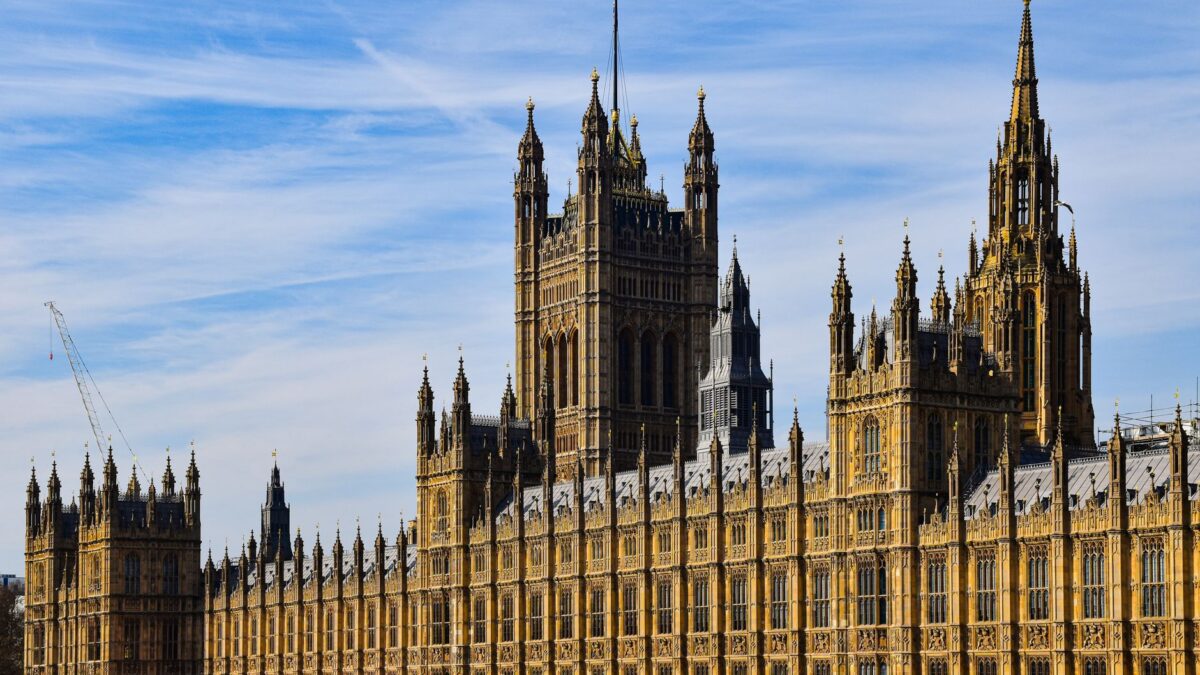
The British government is presenting a bill to parliament on Nov. 26 to write its post-Brexit agreement with the European Union into national law, according to the prime minister’s office. The deal covers food exports, youth mobility and carbon emission allowances. Tuition fees for European students in the UK remain unresolved.
The Labour prime minister, Andy Burnham, reached the agreement with the EU’s 27 member states on Nov. 20. Parliament must now approve it, and Labour holds a large majority in the House of Commons.
What the bill contains
The bill is called “Cutting Costs” (Reduzir Custos in Portuguese reports). It writes two parts of the deal into UK law, according to a government statement:
- a sanitary and phytosanitary pact, meaning shared rules on food safety and plant and animal health;
- a closer link between the UK and EU systems for trading carbon emission permits.
The government says a “common sanitary zone” with identical food safety standards is meant to remove red tape and health certificates for both imports and exports. It notes that the EU is the UK’s largest trading partner and takes 58% of its agri-food exports.
Linking the two carbon markets would create the “largest linked carbon market in the world”, the statement says. It would also exempt 6.5 billion pounds (about 7.8 billion euros, as stated in the Portuguese reports) of British exports from EU carbon taxes.
Criticism at home
Burnham called the text a “historic agreement”. The British opposition has criticised it heavily. Several former Conservative prime ministers, among them Rishi Sunak, Boris Johnson, Theresa May and David Cameron, have spoken out. They fear it reopens a debate that deeply divided the country.
Burnham has also promised to examine “the range of options for the long-term relationship” with Brussels. He considers a return to the EU unthinkable without a referendum.
What is still open
London and Brussels agreed to give themselves six more months to reach a consensus on lowering tuition fees for European students in the UK. The EU’s 27 members have long demanded this change. The deal does not settle it.
For readers in Portugal
The youth mobility element and the tuition question are the parts of the agreement closest to students and young people in Portugal who consider studying or working in the UK. The sources give no start dates or terms for either, and the fee decision is deferred by six months.
What happens next
The bill is introduced in parliament on Nov. 26, and lawmakers must approve it before the deal can be applied. The six-month period for the student fees question runs after the agreement of Nov. 20.
Sources: RTP Notícias, CNN Portugal
Site editor: Nikita Sheikin