Ombudsman Says Lisbon Police Used Batons Widely at Rossio Protest
A Portuguese ombudsman report says police used batons widely on housing protesters at Rossio. The PSP rejects that. Here is what each side says.
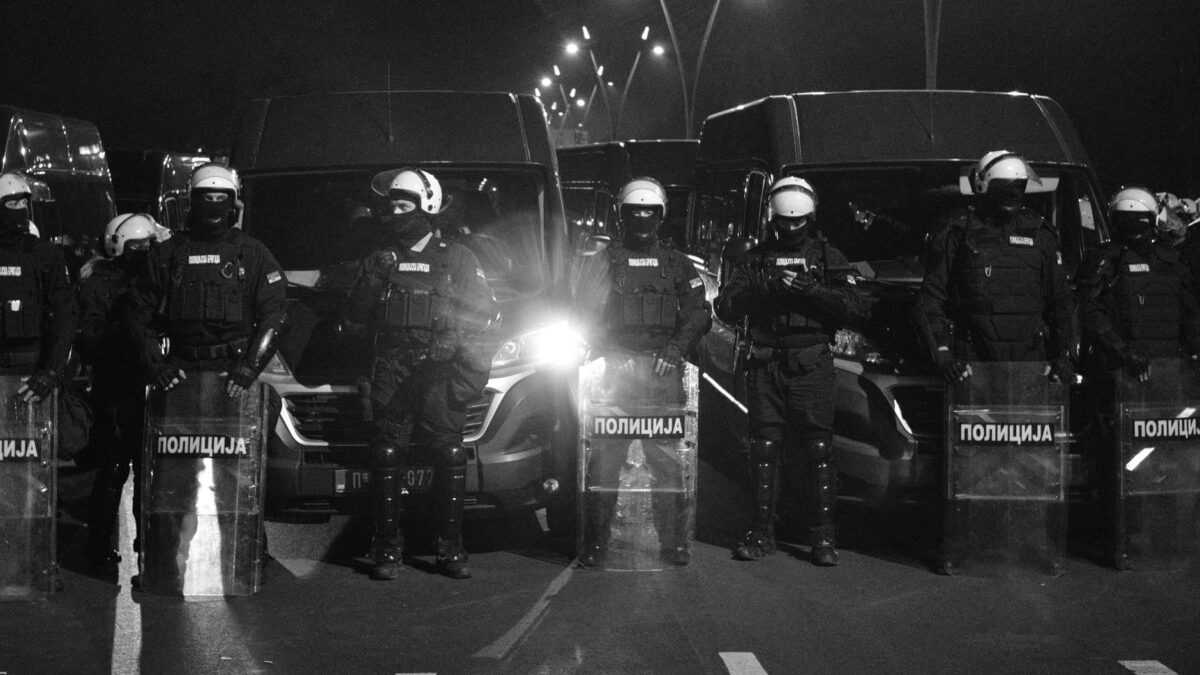
A report from Portugal’s ombudsman has found that the PSP (the Public Security Police) used batons widely against housing protesters at a camp-out in central Lisbon. The PSP rejects that conclusion and says its use of force was limited to the circumstances that called for it.
The report comes from the National Preventive Mechanism (Mecanismo Nacional de Prevenção), a body inside the Provedoria de Justiça, the ombudsman’s office. It was released on Thursday and covers the housing protest and camp-out that began on the night of Oct. 31 and ran into Nov. 1.
What the ombudsman found
According to RTP Notícias, which read the report, police moved into Praça do Rossio around 04:30 on Nov. 1 after a night of protest that had been peaceful at first. The operation had two phases: removing the tents, then dispersing the people who stayed.
In the second phase, the PSP’s rapid-intervention teams used protective shields and, about 40 seconds later, what the report calls “generalized use of batons.” Most blows were applied at an angle and to lower-risk parts of the body. In some cases, though, the head, the sternum and the spine were hit, areas the PSP’s own rules classify as “red zones.” Observers also saw officers strike people who were showing no active resistance or were already walking away.
Six people were detained. The mechanism interviewed all of them at the 4th police station in Martim Moniz. Three reported being assaulted during arrest, and two of those said batons were used on their heads. The team saw visible injuries on two of the detainees and photographed them with their consent. Paramedics reached the station less than ten minutes after the detainees arrived.
The report also says that officers at first resisted letting a rescuer reach an injured protester near Martim Moniz, and access came only after the team intervened. It adds that the dispersal warnings were clear but inaudible to part of the crowd. The observers stood behind and beside the police line, so they could not see everything and cannot rule out other incidents.
What the PSP says
In a statement, the PSP said it does not accept that baton use was widespread or indiscriminate. It said the operation respected the principles of legality, necessity, adequacy and proportionality, and that the batons were used only where circumstances justified it. The force added that some protesters resisted before any physical contact by police.
In its own internal report, the PSP argued that protesters understood the orders, pointing to calls to resist and a human chain formed around the tents. The ombudsman does not fully agree, saying poor audibility means it cannot conclude people understood what was said. The PSP also said it could not establish whether people who left the scene were hurt, and that nobody told officers or INEM, the national emergency medical institute, anything about the detainees. The ombudsman notes this contrasts with the injuries it saw and the medical care three people received.
What this means for police practice
The mechanism recommends that baton use not become generalized or indiscriminate and be justified by a concrete, current need for force. It asks for blows to go to “green” zones, no strikes on people already controlled or only passively resisting, and force to stop once the need ends. It also calls for better supervision and records so officers can be identified, for no handcuffs in cell vans where possible, and for every detainee to be told the reasons for detention and their rights. It further suggests a dedicated standing rule for police action near crowds.
Sources: Observador, RTP Notícias
Site editor: Nikita Sheikin