Moedas Orders Rossio Protest Camp Moved for Christmas Market
Lisbon's mayor wants housing protest tents out of Rossio to make room for the Christmas market. Activists refuse, and a court ruling lets one tent stay.
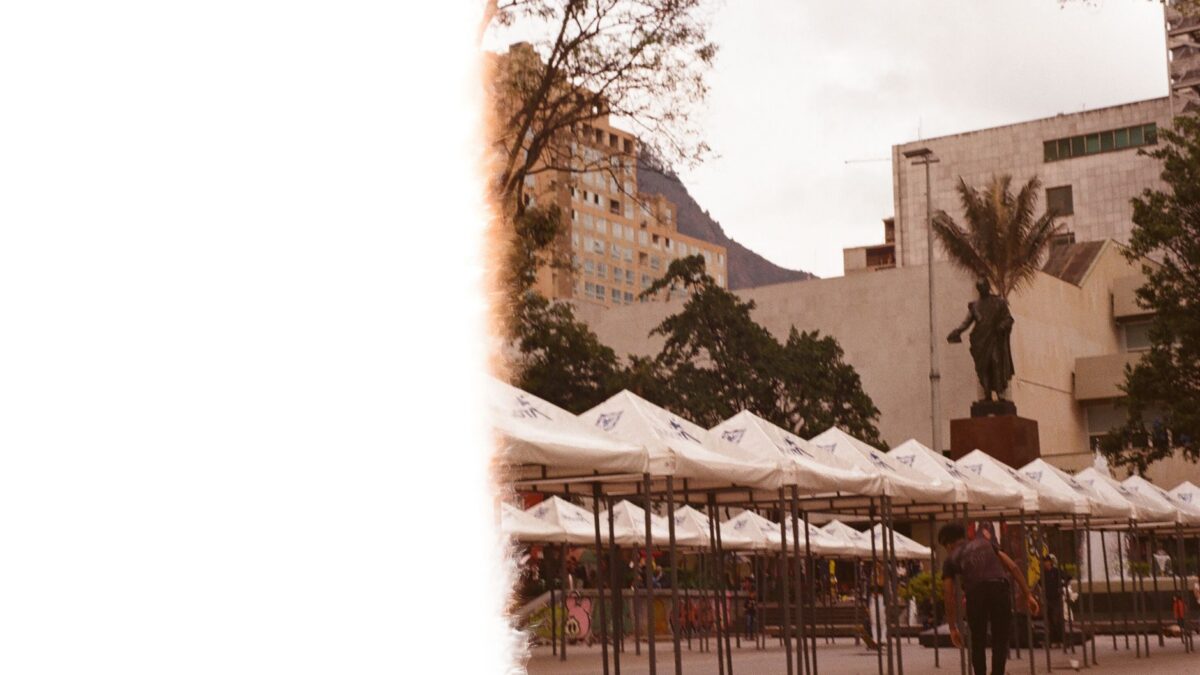
Lisbon’s city hall (Câmara Municipal de Lisboa) wants the tents of the Acampada de Lisboa housing protest cleared from Praça do Rossio, where mayor Carlos Moedas plans to set up the Christmas market. According to RTP Notícias, he has ordered the protest to move to Largo de São Domingos, Praça de Martim Moniz or the Restauradores. The movement and the market traders both reject a change of location.
Activists say the Polícia Municipal (the city’s municipal police) came to Rossio and asked for the tents to be taken down. A court decision complicates the order: the Tribunal Administrativo de Lisboa (Lisbon’s administrative court) allowed activist Renata Cambra to keep one tent in Rossio until Nov. 24, the day of the vote on the 2027 state budget.
What the activists are doing next
Cambra wants the mayor’s order annulled. She told RTP that the city has a duty to try to make the protest and the Christmas market work together. A spokesperson for the activists said several unions were invited to a popular assembly planned for 19:00 on Saturday. The movement also approved a protest action during the Web Summit, with details still to be set.
The protesters continue to demand that the new rental law be reversed, a brake on property funds buying homes, and rent caps that are “truly affordable”.
Court cases after the detentions
According to RTP, more than 80 protesters in Lisbon face charges of disobedience. Lusa reported that, of 55 detained protesters, most told the court they preferred a trial to paying 150 euros under the offer of a provisional suspension of the case. Their lawyer, Ricardo Sá Fernandes, called the number who accepted “very residual” and said the case could still be dropped or go to trial. A decision on those detained on Oct. 25 was expected in the afternoon.
In his written order, seen by Lusa, the prosecutor said the offer of suspension does not rule out dropping the case. He pointed to the legal grounds of the ruling that let Cambra protest with a tent, and to the proportionality of the police action, adding that “the ends do not justify all means”.
The Ministério Público (public prosecutors) also asked the Tribunal Constitucional (Constitutional Court) to rule on a 1974 rule that sets 00:30 as the time limit for a demonstration. Police action to clear the camps in Rossio and in Praça D. João I in Porto led to dozens of detentions and dozens of injuries, and drew criticism from several sides.
Why it matters
Rossio is a central square in Lisbon, and the dispute puts the protest and the seasonal market in the same place. Traders in Lisbon say they want to keep the market there and complain of losses, according to RTP. The court permission for Cambra’s tent runs until the budget vote on Nov. 24.
Housing talks and the Porto camp
The protests began in Porto on Oct. 10 and spread to Lisbon, with gatherings in other cities too. On Friday, the Acampada do Porto put up a tarpaulin held by steel cables and four logistics tents in Praça D. João I because of rain. Lusa said they shelter the assembly table and a people’s canteen that serves meals to hundreds of people a day, and a medical post is also being set up.
In politics, the PS and PSD trade accusations of intransigence after failing to reach a deal on the housing crisis. President António José Seguro said “when there is political will, there are results” and repeated his call for dialogue. The finance minister said the Socialist Party has not yet accepted that it is in opposition, and the government rejects backing away from “moderate rents”.
The government is also willing to hand municipalities the management of nearly half a thousand properties that could serve affordable housing and cultural or social uses. The Finance Ministry sent a letter listing the state-owned buildings. Municipalities have until Dec. 31 to review the list and flag the ones they want to make available.
Source: RTP Notícias