National Coach Museum Lisbon: History, Collection and Visit Notes
The Museu Nacional dos Coches in Belém holds ceremonial royal carriages in two buildings. Here is its history, what it shows and what to check before you go.
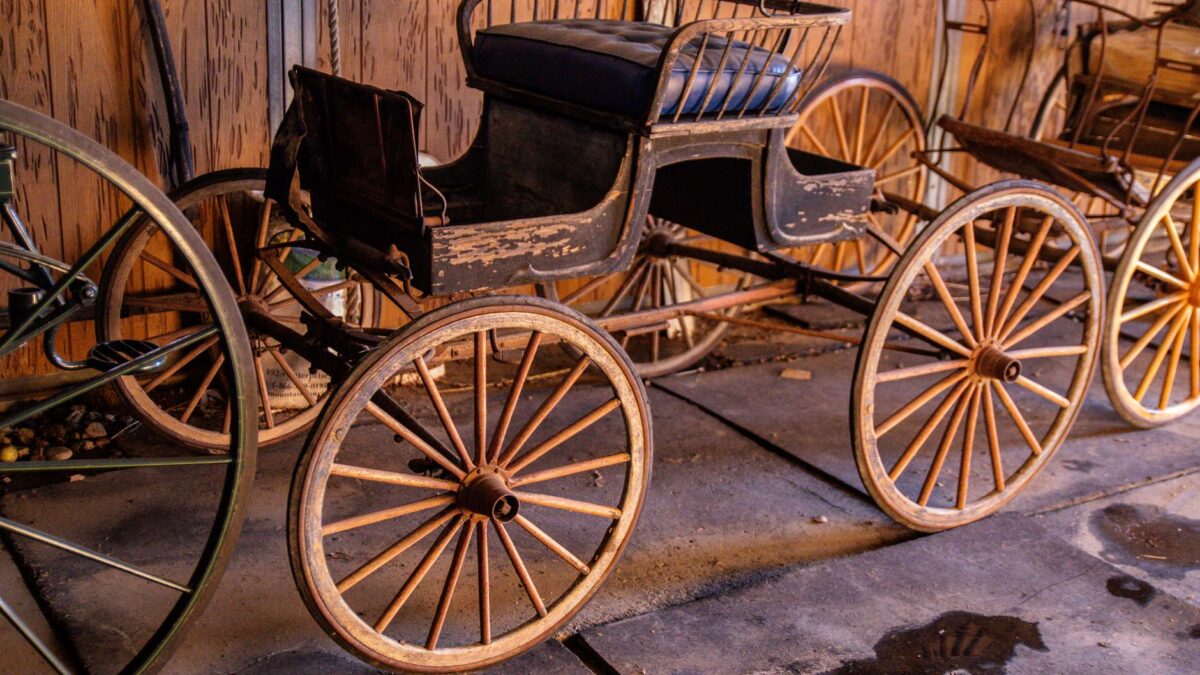
The Museu Nacional dos Coches (National Coach Museum) in Belém displays ceremonial carriages from European courts. According to the museum’s official website, its collection of ceremonial carriages is the most important in the world. People go for the carriages themselves, which the museum describes as works of woodcarving, painting and upholstery, and for the two very different buildings that house them.
The museum has been a single institution with two locations: a modern building on Avenida da Índia and the older Royal Riding School. The official page does not list opening hours or ticket prices in the text we can rely on, so those are covered at the end under what to check before you go.
How a royal riding school became a museum
The story starts in 1726, when King João V bought the Quinta de Baixo estate beside the River Tagus in Belém. The property already included noble residences, Belém Palace and a riding school. In 1786 the original riding school was ordered to be demolished and replaced by the building that stands today. Prince João, the future King João VI, commissioned it. The museum describes him as a great enthusiast of equestrian art.
Construction of the Royal Riding School began in 1787. The decoration of the exterior and interior continued until around 1828. The design is neoclassical and is attributed to the Italian architect Giacomo Azzolini. Its main hall is 50 metres long and 17 metres wide, on two storeys, with galleries at both ends of the upper floor. Two narrow colonnaded passages link them, so that the Royal Family and the Court could watch equestrian displays from above.
Between 1792 and 1799 several artists worked on the interior, among them Francisco de Setúbal, Francisco José de Oliveira, Joaquim José Lopes (known as “o Bugre”) and the French artist Nicolau Delerive. The ceiling and wall panels use motifs from equestrian art, and the ceiling carries three large oval medallions with allegorical scenes.
From 1905 to the present building
Queen Amélia founded the museum in 1905. The riding school was adapted for the purpose in 1904 under Rosendo Carvalheira, architect of the Royal Palaces, and the paintings were restored by José Malhoa and António Conceição e Silva. The museum says the opening was on 23 May, on the initiative of the queen, and that its early success led her to commission a new project for more carriages.
After the Portuguese Republic was established, vehicles from the former Royal Household and property that had belonged to the Church joined the collection. The museum took the name National Coach Museum. A side hall designed by Raul Lino opened to show more carriages, and a new building campaign led by Lino in 1940 enlarged the exhibition area again. Between 1999 and 2001 the roofs of the riding school were restored and the ceiling of the Side Hall was renovated.
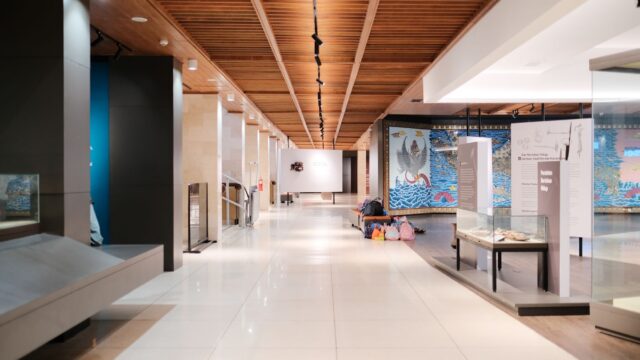
The former Army General Workshops in Belém were acquired for a new museum building. Council of Ministers Resolution No. 78/2008 made the project a flagship for the regeneration of the Belém–Ajuda area and secured funding. The Brazilian architect Paulo Mendes da Rocha, winner of the 2006 Pritzker Prize, designed it with the Portuguese architect Ricardo Bak Gordon. The foundation stone was laid on 1 February. The building on Avenida da Índia has been open to the public since 2015.
What you will see
The collection is the reason to visit. The museum calls it unique in the world and says it takes visitors through time. The carriages come from the royal court and from the later royal household, and the official page presents them as reflecting the power and elegance of European courts.
The new building is white concrete and glass. The museum describes it as a dialogue between monarchical tradition and the boldness of modern Lisbon. The Royal Riding School gives a second kind of visit: the neoclassical hall with its painted ceiling and upper galleries, which were built for watching riders. Readers who like historic interiors may find the two buildings worth comparing. For other places with deep roots in the city, see this list of history and archaeology museums in Lisbon.
Conservation work
Two projects are listed on the official page. “Moving Carriages 2025” relocates eight National Treasures and more than 170 objects from the former Royal Riding School collection to the National Coach Museum. It is part of a conservation and refurbishment of the historic building funded through the PRR (Portugal’s recovery and resilience plan). “Caring for Collections 2026” is an integrated program of preventive conservation and restoration of key pieces, with technical interventions and systematic documentation. Because of this work, the carriages on display and the rooms that are open may differ from older guidebook descriptions.
Practical information
The museum is in Belém, in the western part of Lisbon, beside the River Tagus. The modern building is on Avenida da Índia. The Royal Riding School is the older building of the same museum. The official site does not give an address for the riding school in the text available, so use the museum’s own pages for directions and for which building to enter first.
Opening hours, ticket prices, free-entry days and any discounts are not stated in the source text. The museum site is the place to confirm them before a visit.
Tips for visiting
- Check the official site for which parts of the collection are on view, since carriages are being moved and restored in 2025 and 2026.
- Allow time for both the modern building and the Royal Riding School if both are open.
- Pair the visit with other indoor options on a day with poor weather: the list of things to do in Lisbon in winter has more.
- If you are bringing children, the page on family places in Lisbon covers other options.
Before you go
The National Coach Museum website is the page to check for opening hours, ticket prices, exhibitions and access. Hours, fees and which galleries are open tend to change, especially while conservation and relocation projects are running.
Facts from the official pages linked above, as of November 2026.
Site editor: Nikita Sheikin