Parliament lets tax office collect vandalism repair costs for monuments
From 2027, Portugal's tax authority can collect repair costs from people who graffiti listed monuments and do not pay within 30 days. Here is how the rule works.
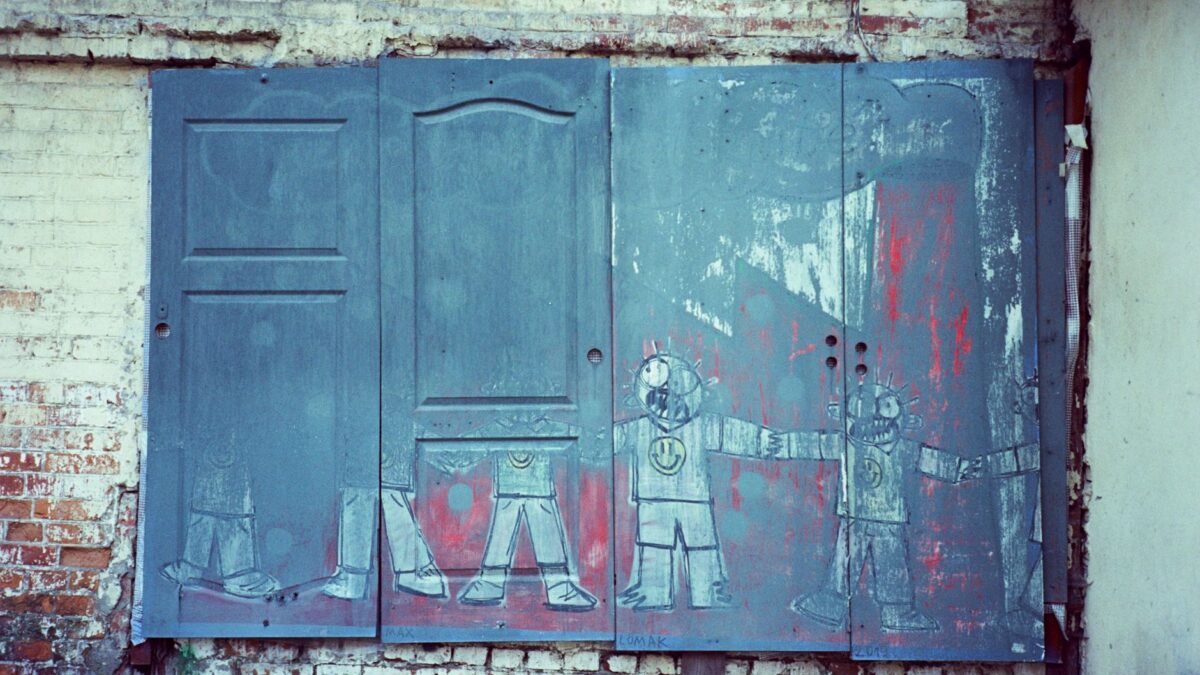
People who graffiti or otherwise damage a listed monument in Portugal and do not pay for the repair can be pursued by the tax office from 2027. Parliament approved the rule as an amendment to the 2027 State Budget (Orçamento do Estado para 2027), according to RTP Notícias, citing Lusa.
The amendment was submitted by the PSD and CDS-PP, the parties that support the government. It passed with votes from Chega, IL and the government parties. The PS, PCP, Livre, PAN and BE voted against.
How the collection process works
The text creates a “exclusive regime for collecting charges relating to monuments” (regime exclusivo aplicável à cobrança dos encargos relativos a monumentos). It adds a new provision to an existing law that sets penalties for graffiti, posters, stencilling and other changes to the original look of exterior surfaces such as buildings, pavements, walls and other infrastructure.
That law already requires those who cause damage by altering a surface to pay for removal or repair. The new provision sets a specific regime for buildings classified as monuments.
The steps are as follows:
- The injured body that carries out the removal or repair, for example a municipal council (câmara municipal), notifies the person responsible.
- That person has 30 days to pay the cost of removing the damage.
- If they do not pay, the body issues a debt certificate that serves as an enforcement title, meeting the requirements of article 163 of the Tax Procedure Code (Código de Procedimento e de Processo Tributário, CPPT).
- The body can then ask for the debt to be collected through tax enforcement proceedings.
Who collects the debt
The Tax and Customs Authority (Autoridade Tributária e Aduaneira, AT) would run the enforcement. The amendment does not name the AT. RTP reports that the role follows from article 150 of the CPPT, which makes the tax administration the body competent for tax enforcement.
Under the text, the injured body decides whether to ask for tax enforcement. The sponsors describe the measure as the “destroyer pays” principle (destruidor-pagador).
Limits of the rule
The regime applies only to buildings classified in the category of monument, whoever owns, manages or maintains them. It does not extend to other buildings, equipment or infrastructure. It also leaves criminal and administrative offence liability untouched.
The political background
When the PSD and CDS-PP presented the proposal on Nov. 6, journalists asked their parliamentary leaders whether it was prompted by recent demonstrations for the right to housing in Lisbon and Porto. PSD parliamentary leader Hugo Soares answered that it was “manifestly unimportant” when the measure was born, and that the question is whether it is fair. He said the parties included it because it is fair.
The rule takes effect in 2027 as part of the budget law.
Source: RTP Notícias
Site editor: Nikita Sheikin