Best Neighborhoods in Lisbon for Expats: Character, Transport, Rent
Where newcomers settle in Lisbon depends on commute, budget and the kind of street life they want. A neighborhood-by-neighborhood guide, with official rent data and the transport that serves each area.
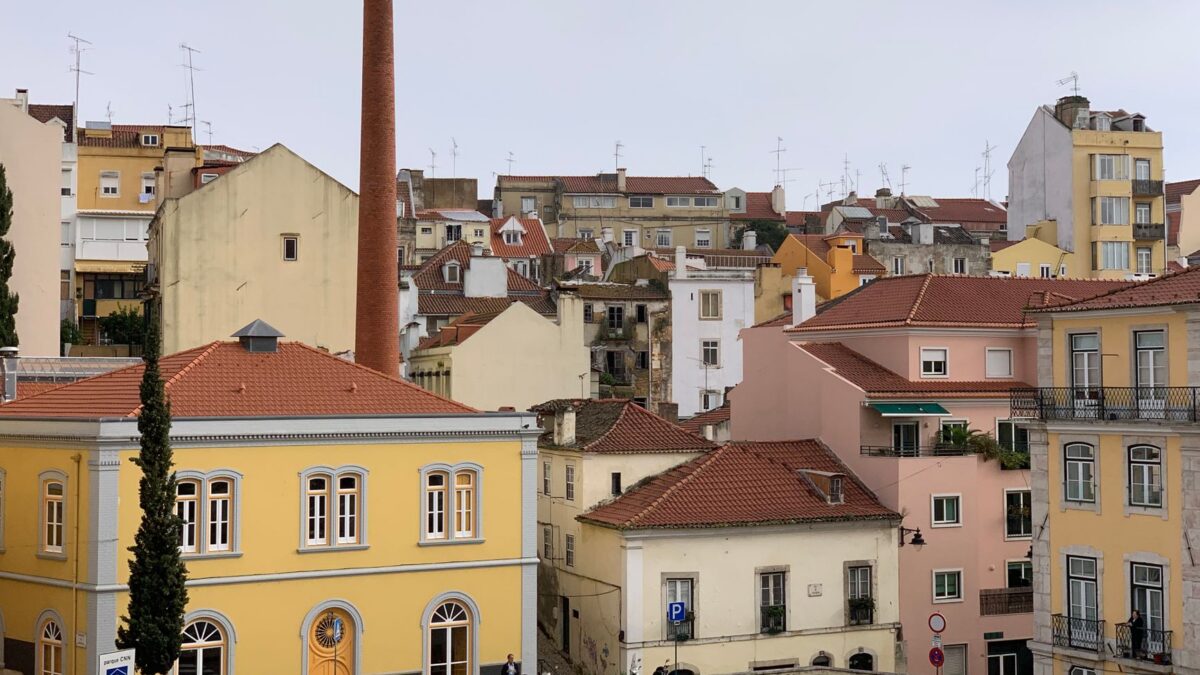
Newcomers to Lisbon most often look at Campo de Ourique, Estrela, Príncipe Real, Alvalade, Avenidas Novas, Arroios, Parque das Nações and Belém, or across the river in Almada and along the coast in Oeiras. According to the national statistics office INE, the median rent on new leases in the city of Lisbon was €17.79 per square meter in the second quarter of 2026, the highest of any large municipality.
INE does not publish quarterly rent figures for each neighborhood, so this guide uses the official municipal figures and describes each area by its transport, housing and daily life rather than by unverified rent claims.
How much does it cost to rent in Lisbon and nearby?
INE’s rental statistics (Estatísticas de Rendas da Habitação) measure the median rent per square meter on new lease contracts. The latest release, published on 29 September 2026, gave these figures:
| Area | Median rent, new leases | Period |
|---|---|---|
| Portugal | €10.17/m² | Q2 2026 |
| Grande Lisboa region | €15.24/m² | Q2 2026 |
| Lisbon (municipality) | €17.79/m² | Q2 2026 |
| Lisbon (municipality) | €17.43/m² | 12 months to June 2026 |
| Cascais | €16.83/m² | 12 months to June 2026 |
| Oeiras | €15.75/m² | 12 months to June 2026 |
As a rough guide from those medians, a 70 m² flat at the Lisbon median would rent for about €1,245 a month on a new contract. Real asking prices vary widely by building, floor and condition, and central parishes cost more than the median. INE’s next release is due on 8 January 2027, on ine.pt.
Which central neighborhoods suit newcomers?
The older central districts west of the Baixa are popular with people who want to walk to cafés, markets and parks. Most buildings are older, often without lifts.
- Campo de Ourique: a flat, grid-like residential district with a covered market, local shops and schools nearby. It is one end of trams 25E and 28E (Prazeres) and is served by buses; there is no Metro station yet.
- Estrela: quiet streets around the Estrela garden and basilica, close to Campo de Ourique and Lapa. Trams 25E and 28E pass through, and Rato Metro station (yellow line) is at its edge.
- Príncipe Real: a small, upmarket area of garden squares, independent shops and restaurants, close to Bairro Alto’s nightlife. Rato station is nearby; the Glória funicular from Restauradores has been closed since its crash in September 2025.
- Arroios: one of the most international parishes in the city, with a mix of older apartments, cheap restaurants and shops. The green line stops at Arroios and Anjos, and the area is close to Avenida Almirante Reis.
Short-term rentals are concentrated in parts of the historic center, and the city has limited new licenses in many parishes; our guide to short-term rental rules in Lisbon explains the restrictions.
Which neighborhoods are best for families?
Families often choose areas with newer buildings, parks and public schools within walking distance. Three areas come up most often:
| Area | Housing | Main transport | Character |
|---|---|---|---|
| Alvalade | Mid-20th-century apartment blocks, many with lifts | Green line (Alvalade, Roma); Roma-Areeiro train station | Planned residential district with tree-lined avenues, markets and schools |
| Avenidas Novas | Larger apartments and office buildings | Yellow and red lines (Saldanha, Campo Pequeno, Entrecampos); Entrecampos trains | Central business district with parks and the Gulbenkian garden |
| Parque das Nações | Modern buildings from the 1998 Expo and later | Red line (Oriente, Moscavide); Oriente train and bus station | Riverside promenade, shopping center and easy access to the airport |
Before choosing, check the catchment area for public schools, since places are allocated mainly by home or parents’ work address. Our guide to the Lisbon Metro shows which lines reach each area.
Is Belém a good place to live?
Belém is a residential riverside district in the west of the city, known for its monuments, museums and gardens. It is served by the Cascais train line (Belém station), tram 15E and buses, and has no Metro.
Daily life is calm in the evening, but the main streets are crowded with visitors during the day, especially at weekends. The commute to the Avenidas Novas business district takes longer than from Alvalade or Arroios.
Should I live across the river in Almada or along the coast in Oeiras?
Many people who work in Lisbon live in neighboring municipalities, for more space or a beach nearby. Rents in Oeiras were below the Lisbon median in INE’s 12-month figures, while Cascais was close to it.
- Almada, on the south bank, connects to Lisbon by ferry from Cacilhas to Cais do Sodré, by Fertagus trains over the 25 de Abril bridge from Pragal, and by buses. The bridge is often congested at rush hour. See our guide to Lisbon ferries across the Tagus.
- Oeiras, west along the coast, sits on the Cascais train line from Cais do Sodré, with beaches such as Carcavelos within reach. It has large business parks of its own.
The Navegante Metropolitano pass (€40 a month as of November 2026) covers trains, buses, the Metro and ferries across the whole metropolitan area, so a cross-river commute costs the same as one inside Lisbon.
How do I compare areas before signing a lease?
Visit at the hours you will actually live there: rush hour, a weekday evening and a Saturday night. Noise, parking and hills matter more than any ranking.
- Time your commute door to door with the Carris, Metro or CP journey planner.
- Check resident parking rules if you have a car; EMEL resident badges are issued per zone.
- Ask whether the building has a lift, heating and double glazing, since many older flats are cold in winter.
- Check the landlord and the lease before paying anything; our guide to renting an apartment in Lisbon covers contracts, deposits and scams.
For personal safety, the Public Security Police (PSP) is the official source for crime data; city rankings that circulate online are not official statistics.
Bottom line
The official data show Lisbon as Portugal’s most expensive municipality to rent in, with Oeiras somewhat cheaper and new contracts nationwide rising about 10% a year. If budget is the limit, widening the search to Almada or the Cascais line often matters more than which central parish you pick, because one pass covers the whole region.
FAQ
Which Lisbon neighborhood is cheapest to rent?
INE’s quarterly figures are by municipality, not by neighborhood, so there is no official ranking of the cheapest parish. Areas farther from the center and from the river generally ask less than the historic core.
Does one transport pass cover Almada and Oeiras?
Yes. The Navegante Metropolitano pass covers the ferries, Fertagus and CP trains, the Metro and buses across the Lisbon metropolitan area, including Almada and Oeiras.
Can I register my address in a room I rent?
Yes, if you have a written contract or other proof the parish council accepts. The parish council (Junta de Freguesia) can also issue a certificate of residence.
Where do I find official rent statistics?
INE publishes them on ine.pt, with the next quarterly release due on 8 January 2027.