Staying Safe in Lisbon: Pickpockets, Scams and Reporting a Theft
Violent crime against visitors is uncommon in Lisbon, but pickpocketing on crowded trams and street scams in the Baixa are persistent. Where to be careful, and what to do if something is stolen.
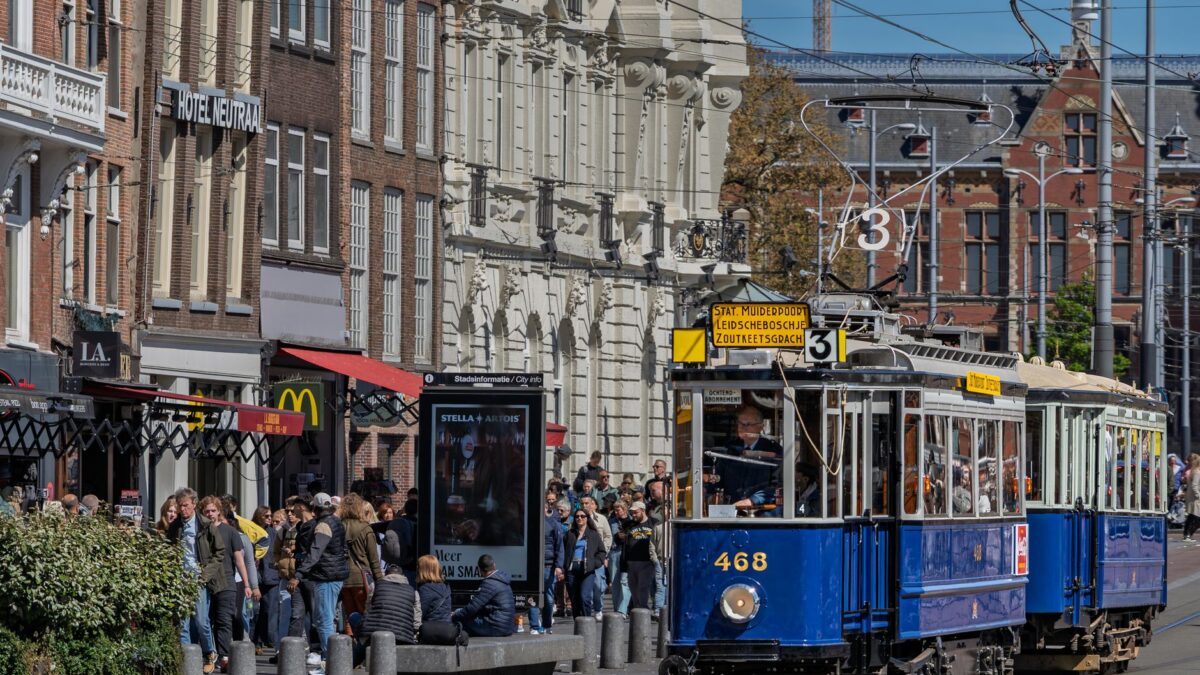
The main risk for residents and visitors in Lisbon is pickpocketing, which the Public Security Police (PSP) has linked to the Baixa, Castelo, Alfama, the viewpoints (miradouros) and crowded tram routes such as 15E and 28E. In an emergency call 112; a theft that is over can be reported at any PSP station or online through the Interior Ministry’s complaints portal.
This guide does not rank neighborhoods by crime, because no official neighborhood-level statistics are published for that purpose. It covers the places and situations where the police and the city have flagged problems, as of November 2026.
Where do pickpockets operate in Lisbon?
Pickpockets work where crowds are dense and people are distracted: boarding trams, at busy Metro stations, in queues and at viewpoints. Police statements reported in the press have named these areas:
- Trams 28E and 15E: the 28E through Graça, Alfama, Baixa and Chiado, and the 15E between Praça do Comércio and Belém. Police have arrested pickpockets in the act on both routes.
- Baixa and Rossio: Rua Augusta, Praça do Comércio and Rossio, especially during events.
- Castelo, Alfama and the miradouros: narrow streets and crowded viewpoints.
- Transport hubs: Metro stations and platforms in the center, and main rail terminals such as Santa Apolónia and Cais do Sodré.
Police have also reported that some pickpocket groups moved off trams and onto the streets, sometimes posing as visitors themselves. Crowds at festivals such as the Santos Populares in June and on New Year’s Eve raise the risk too.
How can I avoid being pickpocketed?
Keep valuables out of reach and out of sight, especially when getting on and off public transport.
- Carry your phone and wallet in a front pocket or a zipped bag worn in front of you on trams and in queues.
- Be alert to pushing or blocking at tram doors; that is when most thefts happen.
- Do not leave phones on café tables or bags hanging on chairs in terraces.
- Keep a copy of your passport or residence card separate from the original, and leave spare cards at home.
- Enable remote locking on your phone and know how to block your bank cards from the app.
Our guide to Lisbon trams and funiculars covers less crowded alternatives to the 28E, and the Lisbon Metro guide explains lines and busy hours.
What is the fake drug sellers scam in the Baixa?
Street sellers in the Baixa, Rossio and Bairro Alto approach passers-by offering drugs, which are usually fake: pressed bay leaves, flour or similar powders. The PSP says the practice has gone on for more than 20 years and that selling look-alike substances is not itself a crime under current law, which limits what officers can do.
- Say no and keep walking; do not stop to negotiate.
- Do not buy: the product is fake, sellers can become aggressive when refused or after a sale, and the money goes to the groups involved.
- Groups of sellers sometimes argue with each other. In August 2026, a tourist was hit by a stray bullet on Rua Augusta during a confrontation between two groups of fake-drug sellers, according to Lusa.
After that incident, the PSP and Lisbon’s mayor called for selling look-alike substances to be made a criminal offence, and the Baixa traders’ association asked for more policing and CCTV. As of November 2026, no change to the law had been reported.
Is Lisbon safe at night in Bairro Alto and Cais do Sodré?
Bairro Alto, Cais do Sodré and Rua Nova do Carvalho (the “Pink Street”) are the city’s main nightlife areas, with large crowds in the street until late on weekends. The usual risks there are theft, drunken fights and drink-related accidents rather than targeted attacks.
- Keep your drink with you and do not accept drinks from strangers.
- Agree how you will get home before you go out: the Metro closes around 1:00, after which Carris night buses, taxis and ride-hailing cars run.
- Use licensed taxis or book a ride in an app, and check the car and plate before getting in.
- The steep, poorly lit lanes of Bairro Alto and Alfama are slippery when wet; wear proper shoes.
Noise rules apply here as everywhere in the city; our transport guides above list the night options for getting home.
Where is the tourist police station in Lisbon?
The PSP has a tourism station (Esquadra de Turismo) in Palácio Foz, on Praça dos Restauradores, next to Restauradores Metro station and close to Rossio. It handles complaints from visitors, and any other PSP station (esquadra) can also take a report.
Opening hours can change, so if you need the police urgently, call 112 instead of going in person.
How do I report a theft in Lisbon?
Call 112 if a crime is happening now, someone is hurt or the thief is still nearby. The number is free and works from any phone. For a theft that is over, you can file a complaint (queixa) in two ways:
- Online: the Interior Ministry’s electronic complaints system (Sistema Queixa Eletrónica), at queixaselectronicas.mai.gov.pt, accepts reports of theft (furto), robbery (roubo), damage and some other crimes. You must identify yourself, and the complaint is sent to the PSP or GNR. It is not for emergencies.
- In person: go to the tourism station in Restauradores or any PSP station with your identity document and details of what was taken (phone IMEI, card numbers, time and place).
Ask for a copy or reference number of the complaint, which banks, insurers and embassies usually require. Then block your cards with the bank, ask your mobile operator to block the SIM and phone, and contact your embassy or consulate if a passport was stolen. Our guide to emergency numbers in Portugal lists 112 and the other helplines.
Bottom line
Most incidents in Lisbon are thefts of opportunity in crowds, so the best protection is simple: phone and wallet in front, bag closed, and extra care at tram doors. If something is taken, file the complaint the same day, because the reference number is what your bank, insurer and consulate will ask for.
FAQ
Is tram 28 safe to ride?
Yes, but it is one of the routes most associated with pickpocketing because it is crowded with visitors. Hold your bag in front of you and ride outside peak hours if you can.
Can I report a theft in English?
The tourism station in Restauradores exists to serve visitors, so it is the best place to try in person. When calling 112, ask at the start whether the operator speaks English (“Fala inglês?”). For the online portal, check the site for available languages and have the details ready in Portuguese if possible.
What should I do if my residence card is stolen?
Report the theft to the PSP first and keep the complaint reference. Then ask AIMA for a replacement card, following its current procedure.
Are taxis and ride-hailing cars safe in Lisbon?
Licensed taxis and ride-hailing cars are regulated in Portugal. Check that the plate matches the app before getting in, and in a taxi ask for the meter to be switched on and for a receipt.