Macau Court Jails Portuguese Citizen Au Kam San for 12 Years in Security Case
A Macau court sentenced former lawmaker and Portuguese citizen Au Kam San to 12 years and six months in prison. What he was convicted of and what Portugal faces.

A court in Macau on Friday sentenced Au Kam San, a former pro-democracy lawmaker who holds Portuguese citizenship, to 12 years and six months in prison. It is the first case tried under the territory’s State Security Law since the Macau Special Administrative Region was created, according to Lusa reports carried by Observador and CNN Portugal.
The ruling puts pressure on the Portuguese government. Au’s international lawyer says Lisbon and the European Union should demand that he be allowed to leave Macau, while Prime Minister Luís Montenegro has so far handled the case quietly.
What the court found
The Court of First Instance (Tribunal Judicial de Base) convicted Au of one count of subversion against state power, two counts of building ties with groups or people outside Macau to commit acts against state security, and one count of breaching secrecy. The judges said he spent years helping foreign organizations, which they did not name, gather and spread content they called “false and clearly distorted.”
The secrecy charge concerned confidential material from a closed-door meeting on renewing casino concessions, which Au obtained as a member of the Legislative Assembly and passed to outside entities, the court said. Judges also said his conduct went on after the 2023 revision of the security law took effect.
The court acquitted him of two further subversion charges linked to contacts with foreign groups in 2023 and 2024. It found doubt over whether those acts were serious enough to meet the legal threshold and applied the presumption of innocence.
The individual sentences were 11 years and three months for subversion, three years and nine months for each of the two foreign-contact counts and nine months for breaching secrecy. Combined, they could have reached 19 years and three months. The court said Au admitted a significant part of the facts but acted with a very high degree of intent.
A closed trial and an open verdict
The trial lasted only three days and was held behind closed doors to avoid harming state security interests. The verdict was read in open court at 10:00 local time (02:00 in Lisbon), with only four media outlets present, according to an official source. Lusa could not attend, and the court did not release its reasoning on the evidence.
What it means for Portugal
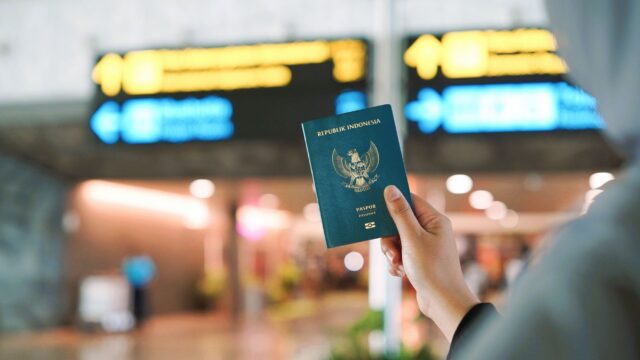
China and Macau do not recognize dual nationality, so Au’s Portuguese passport gives Lisbon limited leverage. On a visit to Macau in September 2025, Montenegro said he did not raise the detention with Macau’s leader, Sam Hou Fai, and that the case required discretion. The two met again in Lisbon in April, and nothing was said publicly about Au.
Michael Polak, director of the legal aid group Justice Abroad, called the trial “a farce” and said Portugal and the EU should press for Au’s release. His group says Au, 69, was held for almost 12 months without being able to speak to his family and had no independent lawyer. It filed a complaint with the United Nations Working Group on Arbitrary Detention on Sept. 11.
Lawyer Sérgio Almeida Correia, who has practiced in Macau for decades, said he had doubts about the process but too little information to judge the ruling. He asked Portuguese officials to explain how the rights promised to Macau residents in the 1987 Sino-Portuguese Joint Declaration are being protected. That treaty, signed between Beijing and Lisbon, keeps Macau’s freedoms of expression, assembly and association for 50 years after the 1999 handover.
Reactions in Macau and Beijing
Au’s wife, Cheang Mio San, told Lusa that both the verdict and the sentence were unacceptable. She said she has had no written contact with her husband since his detention.
Beijing’s Hong Kong and Macau Affairs Office said “hostile external forces” had interfered in the case. The Macau government said it respects and supports the ruling and urged the public to respect the court’s decision.
What happens next
It is not yet known whether prosecutors or the defense will appeal. In similar cases in neighboring Hong Kong, appeals have led to longer sentences.
Sources: Observador, CNN Portugal