Belém Tower Tickets and Opening Hours: Prices and Discounts
Belém Tower costs 15 EUR and opens Tuesday to Sunday from 9.30 am. Prices, discounts, free entry, advance booking and accessibility are covered below.
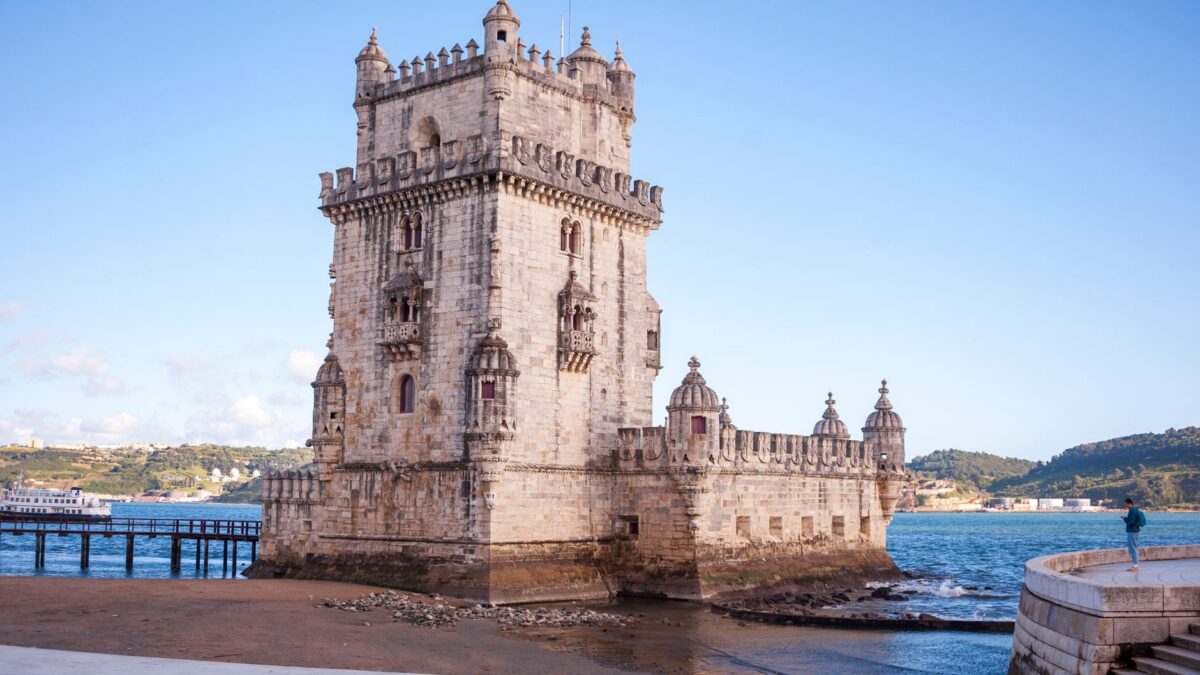
A full ticket for Belém Tower (Torre de Belém) costs 15 EUR, and the tower is open Tuesday to Sunday from 9.30 am to 5.30 pm, with the last admission at 5.00 pm. It is closed on Mondays. Tickets often sell out and cannot be bought on the day itself, so the monument’s operator recommends booking online in advance whenever possible.
The tower is a 16th-century fortification on the Tagus in Lisbon, and since 1983 it has been a UNESCO World Heritage Site together with the Jerónimos Monastery. People go to see the Manueline architecture, the stone-carved details on the bastion and the view of the river that the tower was built to guard.
What is Belém Tower and why do people visit it?
According to Wikipedia, the building is officially the Tower of Saint Vincent (Torre de São Vicente). It was designed by the military architect Francisco de Arruda, begun around 1514 and finished in 1519. The structure is made of lioz limestone, a stone local to the Lisbon region, and consists of a bastion and a four-storey tower of 30 metres.
It was built to defend the entrance to Lisbon. The Jerónimos Monastery and Belém Tower site explains that the plan began under King João II and continued under King Manuel I. It combined the Fortress of Cascais, the Torre Velha on the southern bank and a fortified battery at Belém, whose overlapping fields of fire made it hard for an enemy ship to force its way up the river. The same page says the system worked: for a period of 30 to 40 years there were no recorded complaints from local populations who had earlier suffered raids by privateers.
The tower is also described as an icon of the reign of King Manuel I, from the time Portugal was establishing itself as a global power. Visitors who like the story of the Age of Discoveries will find the tower’s history on the monument’s own page, and the nearby Jerónimos Monastery tickets and hours are worth checking if you plan to see both on one trip.
What are the opening hours?
The official visiting page lists the tower as open Tuesday to Sunday, 9.30 am to 5.30 pm. The last admission is at 5.00 pm, and the ticket office closes at 4.30 pm.
The tower is closed on Mondays and on these days:
- 1 January
- Easter Sunday
- 1 May
- 13 June
- 25 December
Because the monument is exposed to the weather, it may also close whenever visitor safety is at risk. The Jerónimos Monastery is run together with the tower, and the operator notes that the monastery may close on special occasions linked to the representation of the Portuguese State.
How much do tickets cost and who pays less?
The full price is 15 EUR. Three discounts of 50% apply:
- Adults over 65
- Young people aged between 13 and 24
- Family tickets, for at least one adult and one child, available only at the on-site ticket office
The operator says no audio guides or audio systems are provided.
Who gets in free?
Free admission covers a long list of visitors. The ones most relevant to readers living in or visiting Portugal are:
- Portuguese nationals and residents of Portugal, on any day of the year, under the “Acesso 52” initiative
- Children and young people up to and including age 12
- Unemployed visitors resident in the European Union, with proof of their unemployment status
- Lecturers and students at any level of higher education, including senior universities and accredited vocational training institutions, when they can prove they are on a study visit
- Visitors with a proven disability of 60 per cent or more, plus one accompanying person, who show a valid document on entry
Other free categories include researchers and heritage professionals on duty, members of ICOM, ICOMOS and APOM, accredited tourism and media professionals, former combatants and their widows or widowers, and groups with proven financial hardship. Anyone claiming a free or reduced entry should bring the proof the page asks for. If your situation is not listed, the page also refers to other situations covered by law, so confirm with the operator.
How do you avoid queues and sold-out tickets?
The sources do not give queue times. They do say tickets often sell out and cannot be bought on the day, which makes booking on the online ticket office the safer route. A kiosk in the area opposite the monument issues physical tickets for both the Jerónimos Monastery and the Belém Tower. Since the ticket office closes at 4.30 pm, arriving late in the day leaves little margin before the 5.00 pm last admission.
If you are planning several sights in one stay, the Lisboa Card prices and coverage page explains what that pass includes.
Is the tower accessible?
Access for people with reduced mobility is limited to the ground floor, or the bastion’s main hall. The upper floors of the tower are not covered by that description.
How do you get to Belém Tower?
The tower stands on the bank of the Tagus in Belém, in Lisbon, and the kiosk for physical tickets is across from the monument. The official pages used for this guide do not list bus, tram or train routes, so check current transport options with Carris (Lisbon’s bus and tram company) or the operator before you travel. For general fares in the metropolitan area, see the Navegante pass guide.
Quick answers
Is Belém Tower open on Mondays?
No. It is closed every Monday, as well as on 1 January, Easter Sunday, 1 May, 13 June and 25 December.
Can residents of Portugal enter for free?
Yes. Portuguese nationals and residents of Portugal get free admission on any day of the year under the “Acesso 52” initiative. Bring proof of residence.
Can you buy tickets on the day?
The operator says tickets often sell out and cannot be bought on the day itself. It recommends buying online in advance. A kiosk opposite the monument issues physical tickets, and the ticket office closes at 4.30 pm.
Checked against official sources in November 2026. Hours, prices and rules change: confirm on the official page before you go or apply.
Site editor: Nikita Sheikin