Porto Housing Protesters Ask Seguro to Block Rent Law, Oust Minister
Porto's housing protest camp asked President Seguro to veto the rent law changes and seek the interior minister's resignation. Their demands and the next steps.
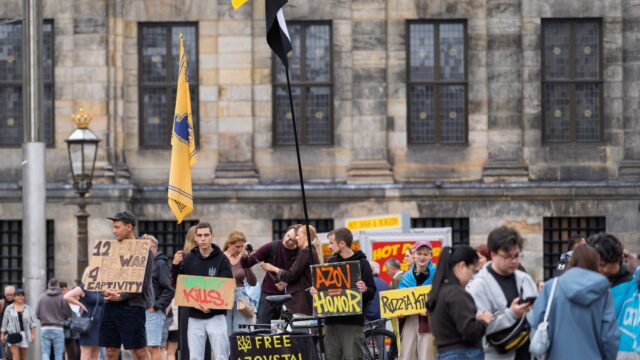
The housing protest camp in Porto, known as the Acampada do Porto, brought an open letter to President António José Seguro at a meeting with him on Friday morning. It asks him to use his powers against changes to Portugal’s rental law and to press the prime minister for the resignation of the interior minister, Luís Neves.
The camps in Porto and Lisbon were both due to meet the president that morning. For tenants in Lisbon, the letter sets out the demands of a protest movement that has spread from Porto to the capital and to other cities since Oct. 10.
Nine demands on rents, evictions and tourist flats
According to the Lusa news agency, which saw the letter, the text had already been debated and voted on in the movement’s popular assemblies. It lists nine demands. The first is to reverse the rental law (lei do arrendamento). The others are:
- an end to evictions and demolitions when no alternative home is offered
- a brake on property purchases by real estate funds
- a larger stock of public housing, all of it let at supported rent (renda apoiada)
- public recovery of empty buildings
- caps on rents
- pressure mechanisms to get empty homes onto the rental market
- an end to tax benefits for property speculation
- a ban on short-term rental licences (Alojamento Local, Portugal’s local lodging regime) in residential buildings, and the cancellation of existing ones
The camp says the demands are also meant to feed into a citizens’ legislative initiative that is now at the public consultation stage.
What the president can do
The letter reminds Seguro that he can veto laws passed by the Assembleia da República (Portugal’s parliament) and can ask the Tribunal Constitucional (the Constitutional Court) to check a law before it takes effect. The protesters ask him to consider both options if the changes to the rental law are approved.
They also want him to play a role in opening dialogue between institutions and in raising awareness of the constitutional right to housing. The camp, set up on Praça D. João I, says it has spent more than a month defending Article 65 of the Constitution, which guarantees that right. At each assembly, the letter says, people in insecure housing have described years of getting “only indifference” from decision-makers.
The police charge and the call for Neves to go
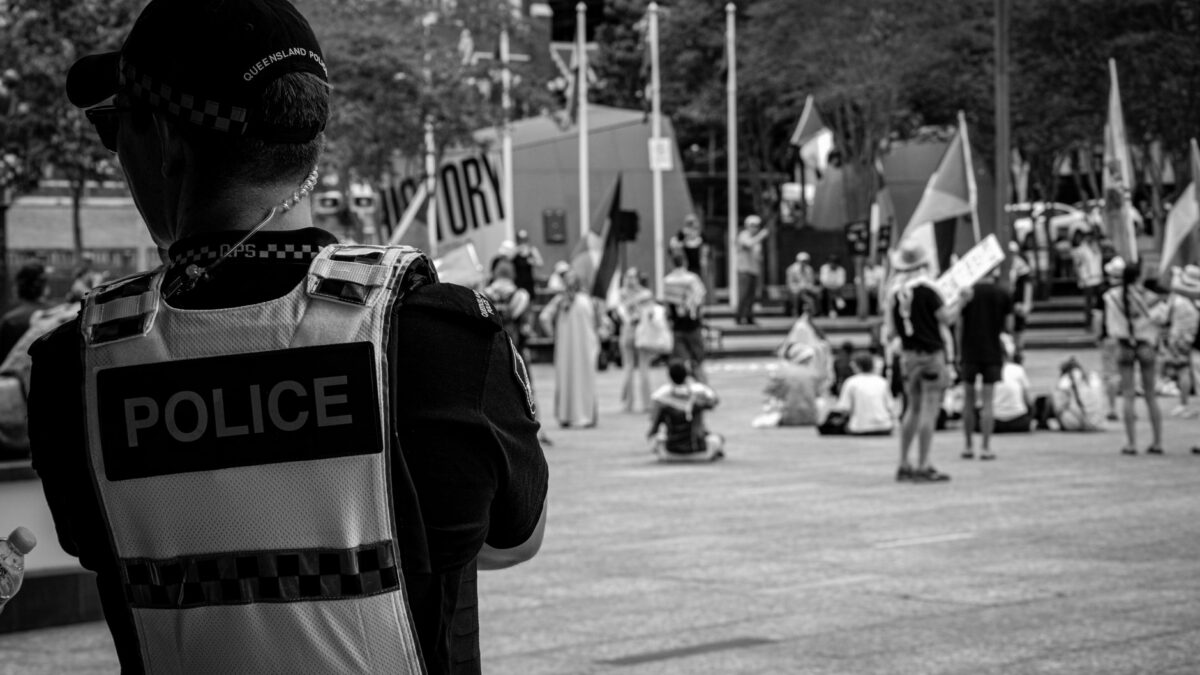
A large part of the letter covers the police operation in the early hours of Nov. 1. The camp says it was the third police charge since the protest began. Dozens of people were injured after officers of the PSP (Portugal’s public security police) used batons and dogs, the letter says. It adds that a plainclothes officer drew a firearm on Avenida dos Aliados, where a second intervention took place.
The protesters ask Seguro to request that the prime minister hold Neves politically responsible and remove him. They also seek criminal proceedings against the minister, a full account of who ordered the operation and of the chain of command, preservation of the officers’ body camera footage, an independent and public inquiry, and the return of seized belongings.
PSP operations to break up the camps and remove tents from Rossio in Lisbon and Praça D. João I in Porto led to dozens of arrests and dozens of injuries, drawing criticism from several sides.
What it means for tenants in Lisbon
The rental law changes are the main target of the protests in both cities. The demonstrators want the new law reversed, a halt to home purchases by real estate funds and rent caps they describe as “truly affordable”. If parliament passes the changes, a presidential veto or a request to the Constitutional Court would be the next point to watch.
A separate legal question also touches the protests. The Ministério Público (Portugal’s public prosecution service) has asked the Constitutional Court to examine a 1974 rule that sets 00:30 as the time limit for a demonstration.
Sources: RTP Notícias, Jornal Económico
Site editor: Nikita Sheikin