Portugal Unveils Plan to Halve Fossil Fuel Dependence by 2034 at COP31
Portugal presents a fossil fuel exit roadmap at COP31, aiming to halve dependence by 2034. What the plan covers, transport targets and what critics say.
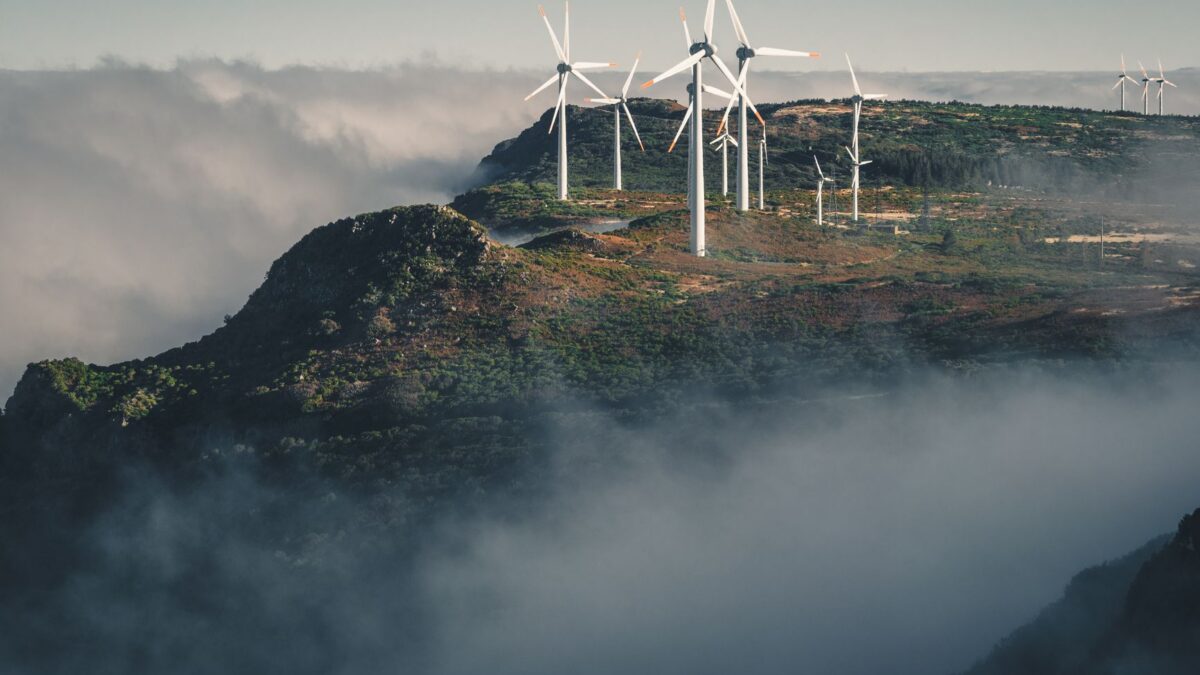
Portugal’s environment minister, Maria da Graça Carvalho, will present a “Roadmap for the Transition Away from Fossil Fuels” on Wednesday at the COP31 climate summit in Antalya, Turkey, the Ministry of Environment and Energy (Ministério do Ambiente e Energia) said in a statement on Tuesday. The government wants to cut the country’s dependence on fossil fuels in half by 2034 and reach climate neutrality by 2045.
The plan focuses on oil and natural gas used in transport, industry and buildings. According to the ministry, it will review progress so far, assess the tools already in place and identify extra measures to speed up the shift, at costs it says should stay affordable for households and competitive for businesses.
Transport is the main target
Transport accounts for about 80% of the final consumption of oil products in Portugal, which is why the government calls it a priority, according to CNN Portugal. The ministry cited scenarios from the Directorate-General for Energy and Geology (DGEG) in which gasoline and diesel use in road transport could fall 52% by 2040 compared with 2024, with greenhouse gas emissions dropping 57%.
The ministry also pointed to past steps. Portugal has stopped using coal, and in the first quarter of this year about 80% of the electricity it consumed came from renewable sources. Carvalho said in the statement that the transition should protect families and strengthen the economy and the country’s energy sovereignty.
With the roadmap, Portugal joins Finland, Germany, France and the Netherlands, which have already launched similar national plans, according to the ministry.
What it means for people living in Portugal
The roadmap sets the direction for energy use in Portugal: more electric transport, more electricity in industry and buildings, and less oil and gas, with transport first in line. The ministry said it wants the change to be fair, orderly and equitable, with costs that households can afford.
The environmental group Zero said on Tuesday that Portugal has stalled on electrification. It said the country is making progress on renewable power generation, but final energy use is shifting to electricity too slowly. Zero proposed six immediate priorities, including national electrification targets for 2030 and 2035 with goals for each sector and a yearly check of how much oil and gas has actually been replaced. Its other proposals:
- Strengthen rail, public transport and the electrification of transport.
- Replace gas equipment in public buildings and homes.
- Support the electrification of industry.
- Remove charges that distort energy bills and review fossil fuel incentives.
- Expand storage for renewable energy.
The fight over fossil fuels at COP31
The issue is dividing the summit. Countries that want the end of fossil fuels written into the final agreement face others that reject the idea, ECO reported. A draft decision released on Monday mentions phasing out fossil fuels explicitly, in stronger language than earlier texts. Chris Bowen, the Australian COP president who leads the negotiations, said the wording would not stay exactly as drafted but that discussing fossil fuels in the text was appropriate.
The Turkish presidency has proposed a global “35 by 35” commitment to raise electricity’s share of final energy use worldwide from 23% today to 35% by 2035. Portugal’s secretary of state for energy, Jean Barroca, told a press conference that the target fits the goals in Portugal’s National Energy and Climate Plan, so supporting it is consistent for the country. He spoke at an event organized by Denmark for members of the Beyond Oil and Gas Alliance (BOGA), a group that includes Portugal, Spain, Luxembourg and Tuvalu and pushes for a more ambitious energy transition.
Sources: CNN Portugal, ECO
Site editor: Nikita Sheikin