FBI Tipped Off Lisbon Police on Bomb Threats to Two TAP Flights
The FBI warned Portugal's PSP of bomb threats against two TAP flights on Friday. Both were cleared, amid about 40 such threats in Europe in under a week.
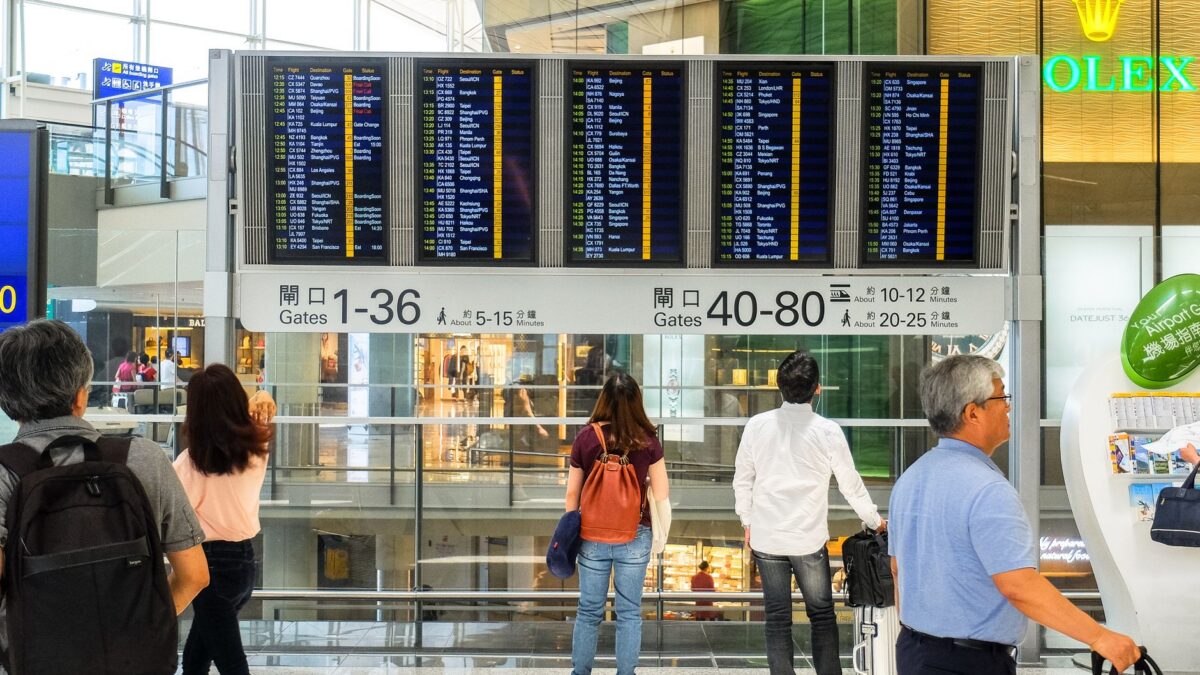
The FBI passed warnings of bomb threats against two TAP flights directly to the PSP (Portugal’s public security police) on Friday, Observador reported. One plane was flying to Paris and the other to Copenhagen. Both were already in the air when the warning arrived, and in both cases the authorities ruled out a real risk and the flights continued to their destinations.
The same day, a Ryanair flight due to leave Lisbon for Rome was held on the ground after a security alert. The cases are part of a wave of about 40 bomb threats against flights in Europe in less than a week, according to Observador.
What happened on the TAP and Ryanair flights
When the warning about the TAP flights came in, the PSP activated its response protocol and informed the French and Danish authorities. The Paris flight was heading to Orly airport. The PSP’s public statement mentioned only a communication through international police cooperation channels. Observador said the information in all of Friday’s cases came from the FBI.
The Ryanair case played out at Aeroporto Humberto Delgado (Lisbon airport). After the plane landed in Lisbon, officers from the Unidade Especial de Polícia (UEP, the PSP’s special police unit) inspected it. Passengers who had already boarded had to get off, and they and the bags in the hold were searched for explosives. The aircraft did not leave for Rome at the scheduled time.
A source who followed Friday’s cases told Observador that the measures cause major disruption for passengers and airlines, but that the risk cannot be ruled out in any of these situations.
Diário do Distrito reported that security forces are adding checks at Portuguese airports, with more police and closer surveillance in strategic areas, and that TAP is cooperating with the authorities. Details about where the threat came from and how credible it was have not been released. Passengers are being told to follow official updates from TAP and the airport authorities.
Why it matters for people flying from Lisbon
None of the threats so far has turned into real danger. Once a warning reaches the cockpit, however, crews must treat it as genuine. A representative of the Associação de Pilotos Portugueses de Linha Aérea (the Portuguese airline pilots’ association) told Observador that pilots have to assume a threat is real and adapt their procedures.
That can mean delayed departures, searches of passengers and luggage, or a change of route. Jaime Prieto, who flew commercial planes for decades, said the usual procedure forces the aircraft to land at an alternate airport. He said he could not remember so many threats in such a short time. In France, one commercial plane landed at a military base. The president of OSCOT, a Portuguese security and terrorism observatory, said threats in aviation must always be taken seriously.
Cyberattacks on supermarkets and a possible pattern
Observador placed the threats within a broader run of what specialists call hybrid attacks. Earlier in the week, seven Intermarché stores said they were hit by cyberattacks on their refrigeration systems, the same type of attack seen elsewhere in Europe. Some blood banks that use the same systems were also targeted. Two pro-Kremlin groups claimed responsibility, while sources familiar with the cases told Observador they were also worried about Iran.
Bruno Castro, a cybersecurity specialist and founder of Visionware, said the goal is to create instability in society. Another specialist, Hugo Nunes, said the refrigeration attack was not sophisticated. The experts consulted see no technical connection between the cyberattacks and the bomb threats, and there is no evidence the two are coordinated.
In Italy, according to Italian press reports cited by Observador, one threat came by email from a group calling itself the Male State, a Russian extremist group that has already been dismantled. The message promised an explosion within 60 minutes. It was the only case in which a written threat was reported.
What security services fear next
A source who has followed intelligence exchanges among NATO partners told Observador that security services are worried the attacks could spread to other infrastructure, naming hospitals and energy production sites such as dams as examples.
Sources: Diário do Distrito, Observador