Spain Orders 12% Olive Oil Hold-Back as Portugal Eyes Lower Prices
Spain ordered mills to hold back 12% of olive oil until Sept. 30, 2027. Portuguese producers say prices will keep falling and describe a hard season.
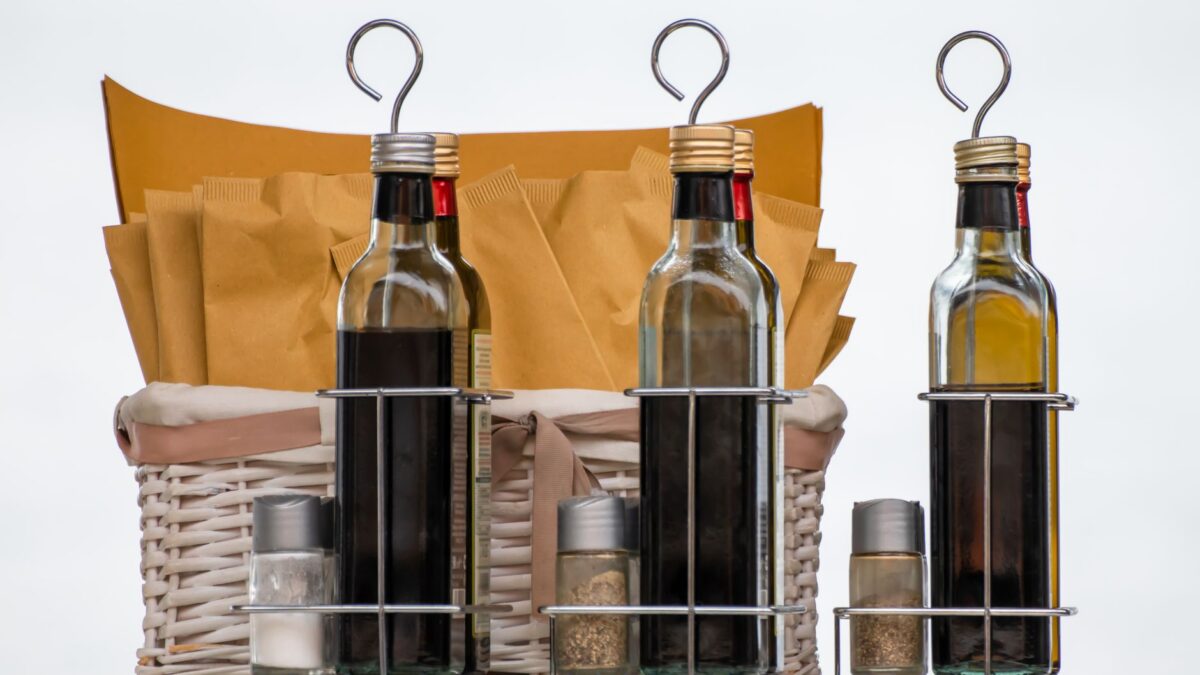
Spain’s agriculture ministry has ordered every olive mill to withhold 12% of its accumulated monthly output from the market until Sept. 30, 2027, ECO reported. Portuguese producers and industry groups quoted by the outlet expect little effect on Portugal, where they say olive oil prices will keep falling.
Spain is expecting an exceptional olive harvest for the 2026/2027 season. Madrid’s order aims to stop a sharp drop in prices. Portugal’s market follows Spain’s closely, since Spain is the world’s largest producer.
Why Portuguese producers doubt the effect
Nuno Santos, chief commercial officer at Sovena, which owns the Oliveira da Serra olive oil brand and Fula cooking oil, told ECO the impact would be limited in Spain and “negligible” in Portugal. He said the 188 thousand tonnes to be withheld equal 50% of the stock before the current season began and possibly 30% of stock at the end of 2026/2027. In practice, he said, that oil would have been sold only at the end of 2027 anyway.
He also noted that Spain accounts for 40-50% of world production, so restrictions on part of the market limit their own effect. Olive oil also loses quality over time, and that loss reduces its value to the producer.
Artur Aragão of Casa Aragão called the measure protectionist. He doubts it will stop prices from falling, partly because of Tunisian oil. Tunisia has an annual quota of about 50 thousand tonnes that it can export to Europe without tariffs, he said, and its oil is substantially cheaper. He added that the oil released in September could cause a sudden price drop and push sellers to sell quickly beforehand.
Mariana Matos, secretary-general of Casa do Azeite, which represents about 85% of branded packaged olive oil in Portugal, said the withheld oil will not disappear. It will join the stock at the end of the season in September 2027.
Where Portuguese prices stand
Santos said prices to producers and consumers are falling progressively with the start of the season. Part of the decline began in late summer, when it became clear that consumption was weak and production prospects were good. He described the earlier cycle: two historically low harvests led to very high prices, and consumption then fell as production recovered.
Aragão blamed rising supply and falling demand, and listed Airfryer cooking and food delivery apps among the changes in how people eat. Sovena is investing five million euros in its Barreiro plant to double its packaging capacity to about 25 million liters a year.
Production forecasts and costs
Casa do Azeite says this season in Portugal looks good and could reach about 190 thousand tonnes. Olivum, the association of Portuguese olive growers and mills, forecasts growth of about 10%, or 176 thousand to 179 thousand tonnes. Gonçalo Moreira of Olivum said a bigger harvest alone does not show that prices must fall, because costs and demand also count. He said the association has recorded agricultural diesel prices close to 60% higher than a year earlier.
Olivum is more positive about the Spanish measure. Moreira said that withholding oil reduces supply in Spain and could create favorable conditions for selling Portuguese oil. He added that Portugal’s early season brings new oil to market before the larger volumes of its main competitors.
What this means for the sector
Both Casa do Azeite and Sovena expect a difficult season for producers. Matos said higher production and industry costs weigh most on traditional olive groves. Santos said it is too early to know whether prices will fall further or when they will return to more normal levels. Aragão expects prices to stay under pressure in Portugal.
Source: ECO
Site editor: Nikita Sheikin