Brazilian Visitors to Lisbon: Visa-Free Stays, EES and ETIAS Rules
Brazilian citizens can visit Lisbon without a visa for up to 90 days in any 180-day period. EES fingerprints apply now and ETIAS is planned for 2027.
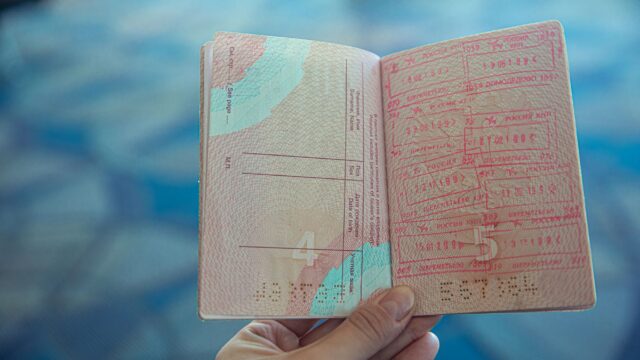
Brazilian citizens with an ordinary passport can enter Portugal without a visa and stay up to 90 days in any 180-day period, a limit that covers the whole Schengen Area together. Since April 10, 2026, the border no longer stamps the passport: the Entry/Exit System (EES) records fingerprints, a facial image and the date and place of each entry and exit. A paid online travel authorisation called ETIAS is planned for 2027 and will have to be obtained before the trip.
Do Brazilians need a visa to visit Lisbon?
No, a short visit needs no visa. The Wikipedia table of visa requirements for Brazilian citizens lists Schengen countries such as France, Germany, Italy and Greece as “visa not required” for 90 days, and Portugal applies the same common rules as a Schengen member.
Brazil is on the European Union’s list of visa waiver countries, known as Annex II. According to the Wikipedia summary of the visa policy of the Schengen Area, nationals of those countries who hold ordinary passports may enter by air, land or sea for pleasure or business without applying for a visa. The exemption is for short stays. Anyone who plans to study, take a job or settle in Portugal should check the visa they need with a Portuguese consulate or with AIMA (Portugal’s immigration agency) before travelling, because the sources used here do not list Portugal’s rules on working during a visa-free stay.
How long can a Brazilian visitor stay?
The maximum is 90 days in any 180-day period, counted across the Schengen Area as a whole. On each day of a stay, border officers look back over the previous 180 days and add up every day spent in any Schengen country. Two weeks in Madrid and a week in Paris therefore reduce the days left for Lisbon.
The Schengen Area has 25 EU member states plus Iceland, Liechtenstein, Norway and Switzerland. A few details change the count:
- Time spent in the Schengen Area on a long-stay visa or a residence permit does not count towards the 90 days.
- Days in Gibraltar count as days in the Schengen Area.
- Cyprus has its own limit of 90 days in a 180-day period, calculated separately.
- Ireland is outside the Schengen Area and runs its own visa policy.
Our explainer on how the Schengen day count works in Portugal goes through overstays in more detail.
What happens at the border under the EES?
Brazilian visitors are registered in the EES each time they cross the external border, and the registration replaces the passport stamp. The European Commission describes the Entry/Exit System as an automated IT system for non-EU nationals on a short stay, used by 29 European countries. It began in stages on Oct. 12, 2025, and became fully operational on April 10, 2026.
The system stores:
- the traveller’s name and travel document data;
- fingerprints and a captured facial image;
- the date and place of every entry and exit;
- any refusal of entry.
Because entries and exits are logged electronically, the system detects overstayers automatically. A visitor who has used up the 90 days can no longer rely on a missing or unclear stamp. The Commission also says the EES allows wider use of automated border control and self-service systems.
Registration takes time at busy airports. Wikipedia’s ETIAS article reports that the first phase of biometric registration in the first half of 2026 caused significant border delays, with airport queues projected at up to five hours. Travellers landing in Lisbon can read our walk-through of EES registration at Lisbon airport, and cruise passengers can check how the EES applies at the Lisbon cruise terminal.
What will ETIAS add, and when?
ETIAS will add a step before departure: visa-exempt visitors, Brazilians included, will need an approved electronic travel authorisation to board for Portugal. It is not in force yet. The Wikipedia article on the European Travel Information and Authorisation System gives 2027 as the expected start, after several postponements, the latest one made so that airports and border authorities could first settle the EES procedures.
The planned rules, as that article lists them:
- The application fee will be €20 for travellers between ages 18 and 70.
- An authorisation will be valid for three years or until the passport expires, whichever comes first, and for multiple entries.
- It will be required for entry by land, air and sea to 30 European countries: the 29 Schengen states and Cyprus.
- The maximum stay does not change. It remains 90 days in any 180-day period.
The European Commission says the authorisation is not a visa. The application is simpler and involves no embassy visit. An approved ETIAS does not guarantee entry either, because the final decision stays with the border officer. Since the start date has moved several times, check the official EU pages for the confirmed date before paying anyone for an application.
What about Brazilians who also hold Portuguese or another EU citizenship?
They will not need ETIAS. Visitors with dual nationality of an EU or Schengen country and a visa-exempt country are ineligible to apply and must travel on their EU or Schengen travel document. The EES is also built for non-EU nationals on a short stay, so a Brazilian who holds a Portuguese passport or citizen card should present that document at the border.
Brazilians living in Portugal with a residence permit are in a different position from tourists as well: their time in the Schengen Area under that permit is not counted against the visa-free 90 days.
What should a Brazilian visitor do before flying to Lisbon?
- Count the days already spent in any Schengen country during the past 180 days and make sure the new trip keeps the total within 90.
- Travel on an ordinary Brazilian passport, or on an EU document if you hold dual nationality. The sources here do not give the passport validity and other entry conditions, so confirm them with the Portuguese consulate or the airline.
- Allow extra time on arrival and departure for EES registration, especially on a first trip since the system started.
- Once ETIAS begins, apply online and wait for approval before buying non-refundable travel.
Quick answers
Is the passport still stamped in Lisbon?
No. Since April 10, 2026, the EES replaces passport stamping for non-EU nationals on a short stay, and the entry and exit are recorded electronically.
Does a Brazilian tourist need ETIAS today?
Not yet. ETIAS is planned for 2027, and until it starts a short visit needs only the passport and the EES registration at the border.
Do days spent in Spain or France count against the stay in Portugal?
Yes. The 90 days are shared by the whole Schengen Area, so time in any member country is added together within the 180-day period.
Is ETIAS a visa?
No. The European Commission describes it as a travel authorisation with a simplified online application, and it does not guarantee entry.
Checked against official sources in November 2026. Hours, prices and rules change: confirm on the official page before you go or apply.
Site editor: Nikita Sheikin