Lisbon Airport EES Arrival: Registration, Passport Hall and Departure
Non-EU visitors at Lisbon Airport give fingerprints and a photo under the EES on their first entry. Also covers exemptions and departure timing.
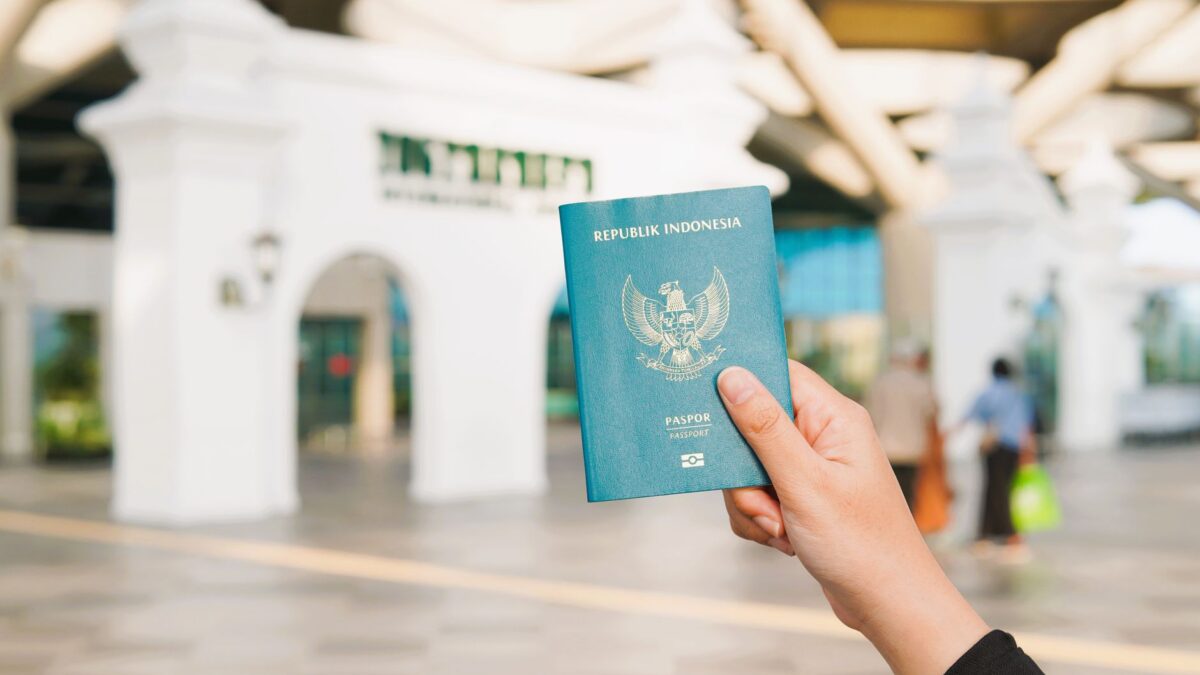
If you fly into Lisbon from outside the Schengen area on a non-EU passport for a short stay, border officers now record your entry in the EU’s Entry/Exit System (EES) instead of stamping your passport. On your first trip under the system you may be asked to give fingerprints and have your photo taken at a booth before you reach the immigration desk, and the record then stays valid for 3 years. Registration is free and needs nothing from you before you travel, but you should expect longer queues on arrival and build in extra time when you leave.
Lisbon’s main airport is Humberto Delgado Airport (Aeroporto Humberto Delgado), also called Portela, in the Olivais district. It is run by ANA Aeroportos de Portugal, the national airport operator, and has two passenger terminals and its own Metro station. According to its Wikipedia entry, it is one of the most congested airports in Europe, and staffing for border checks is an ongoing subject of debate.
What is the EES and when did it start?
The EES is an automated EU database that logs non-EU nationals each time they cross the external border of the 29 European countries using it, for short stays. According to the European Commission, it stores your name, passport details, fingerprints, facial image and the date and place of each entry and exit, and it also records refusals of entry. The system started in stages on Oct. 12, 2025 and became fully operational on April 10, 2026, when it replaced passport stamping.
The point of the system is to calculate time spent in the Schengen area automatically and flag people who stay longer than allowed. Most visitors, including UK passport holders, may spend up to 90 days in any 180-day period in the Schengen area. Our explainer on the 90/180 day rule, EES and overstays in Portugal goes through how those days are counted.
Who has to register at Lisbon Airport?
The system applies to non-EU nationals entering for a short stay. EU citizens do not register. If you hold long-term residence in a Schengen country, you are exempt from EES in all Schengen countries, according to the UK government’s Portugal entry advice. Exempt travellers should not register; instead they show the document that exempts them to a border guard. If a record is created for an exempt person by mistake, it should be deleted, usually by a border guard, and in some cases this happens automatically, for example when someone receives a residence permit after arriving.
The full list of exemptions is on the EU’s Travel Europe website. Carry your residence card or other proof of status every time you fly.
What happens when you land from a non-Schengen flight?
Passengers arriving from outside the Schengen area, for example from the UK, Brazil or the United States, go through border control at Lisbon before collecting bags. Flights from other Schengen countries normally have no passport check on arrival, so EES does not apply to them. At the border, the first-time process looks like this:
- Follow signs and staff directions for non-EU passports.
- If asked, use a dedicated booth to scan your passport, give fingerprints and have your photo taken.
- Go to the immigration desk, where an officer completes the check.
- Be ready to show an onward or return ticket and proof that you have enough money for your visit, which officers may ask for.
Children aged 11 or younger are not fingerprinted but may have their photo taken. On later trips within the 3 years, you may still be asked for biometric details each time you enter or exit. The EU’s Travel to Europe mobile app lets you fill in an optional entry questionnaire before arriving in Portugal, which the UK government says can speed up border checks.
What do you need to bring?
EES does not change the passport rules. For British travellers, the UK government lists these requirements for Portugal:
- a passport issued less than 10 years before the day you arrive
- an expiry date at least 3 months after the day you plan to leave the Schengen area
- a passport that is not damaged and has not been reported lost or stolen
- for a child aged 17 and under travelling alone or with an adult who is not a parent or legal guardian, a certified letter of authorisation from a parent or guardian
Overstaying the 90-day limit can lead to a ban on entering Schengen countries for up to 3 years.
How long should you allow on departure?
No official source gives a fixed number of minutes for Lisbon. The UK government’s EES guidance says each passenger may take extra time at the border and advises travellers to be ready to wait during busy periods. On a flight leaving the Schengen area you may be asked for a fingerprint or a photo at exit control, and these checks can happen before boarding, so allow extra time to reach your gate on top of your usual buffer for check-in and security. Check your airline’s advice for its recommended arrival time.
If you plan to pick up gifts before boarding, our guide to souvenirs, tiles, wine and airport rules in Lisbon covers what you can carry.
What if your EES record is wrong?
If you think you were wrongly entered into EES, or your days in the Schengen area were recorded incorrectly, speak to border officials the next time you cross the Schengen border and ask for a correction. Have supporting evidence ready, such as tickets or proof of residence.
Quick answers
Does EES registration cost anything?
No. There is no fee for EES registration, and you do not need to do anything before you arrive.
Is ETIAS the same as EES?
No. ETIAS is a separate travel authorisation that the EU is expected to start from autumn 2026. Visitors without a visa or residence permit will apply online and pay a 20 euro fee. The UK government warns that any website selling ETIAS now is fraudulent.
Do residents of Portugal register in EES?
Long-term residents of a Schengen country are exempt. They should show their residence document to the border guard instead of registering.
Checked against official sources in November 2026. Hours, prices and rules change: confirm on the official page before you go or apply.
Site editor: Nikita Sheikin