Lisbon Cruise Terminal and the EES: Day Calls vs Starting or Ending
Cruise day calls in Lisbon are usually exempt from EES checks. Boarding or leaving a ship at the Lisbon cruise terminal can mean fingerprints and a photo.
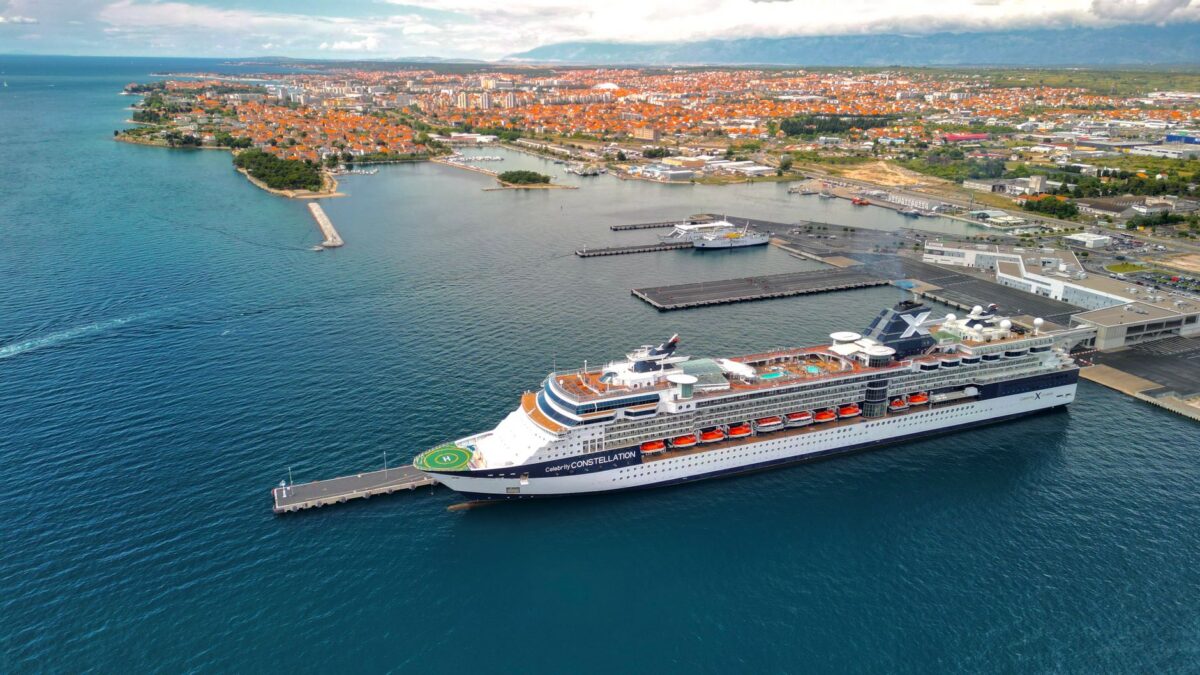
Passengers on a cruise that starts and finishes outside the Schengen area are usually exempt from Entry/Exit System (EES) checks when the ship calls at Lisbon for the day. Passengers who board in Lisbon, or who leave the ship there and travel on by other means, may have to complete EES checks, which involve fingerprints and a facial photo. Port authorities can also require checks on a day call, so the cruise line’s instructions for the specific sailing decide what happens on the day.
What is the EES and who has to register?
The EES is an automated system that registers non-EU nationals travelling for a short stay each time they cross the external borders of the 29 European countries that use it. The European Commission says it records the traveller’s name, travel document data, fingerprints, a facial image, and the date and place of entry and exit. Refusals of entry are recorded too.
Portugal is one of the countries in the Schengen area where the system applies. Ireland and Cyprus are outside it, so the EES does not apply to travel there.
The system began a gradual start on Oct. 12, 2025, and became fully operational on April 10, 2026. Since that date it replaces the stamping of passports, and it detects travellers who stay beyond the period they are allowed. Our guide to the 90/180 day rule in Portugal covers how that period is counted.
Does a day call in Lisbon mean an EES check?
Usually it does not, if the cruise begins and ends outside the Schengen area. The UK government’s EES guidance on GOV.UK says sailings that start and finish outside Schengen, for example at a UK port, will usually be exempt from EES checks for day trips into the Schengen area that are part of the itinerary.
The exemption has a limit. The same guidance says passengers may be required to complete EES checks under some circumstances, and that this is at the discretion of the port authorities. A passenger on a round trip from a UK port who walks off in Lisbon for a few hours should expect no registration but cannot rule it out.
The guidance is written for British passport holders. The EES itself applies to non-EU nationals on short stays in general, so travellers with other passports should check what their own government and their cruise line say.
What changes if the cruise starts in Lisbon?
A passenger who boards a ship in Lisbon has already entered the Schengen area to get there, and that first entry is where the EES applies. GOV.UK says travellers boarding a cruise within the Schengen area may need to complete EES checks at their initial entry point to Schengen.
For many people starting a cruise in Lisbon, that entry point is an airport. Someone who flies from outside Schengen straight to Lisbon is registered on arrival at the airport, and our walk-through of EES registration at Lisbon Airport describes that step. Someone who flies in through another Schengen country first is checked there instead.
What changes if the cruise ends in Lisbon?
Leaving the ship for good in Lisbon is treated differently from a day visit. According to GOV.UK, travellers who disembark a cruise within the Schengen area and travel on to a further destination by other means, including to another port, may need to complete EES checks when leaving the ship.
That covers a passenger whose sailing from a non-Schengen port ends in Lisbon and who then spends a few nights in the city or flies home from Lisbon Airport. It also covers someone who leaves the cruise early in Lisbon and continues overland.
What happens during EES registration?
On a first visit, a traveller may be asked to create a digital record at the port or airport on arrival. Here is how GOV.UK describes it:
- The traveller may be directed to a dedicated booth at the border.
- Fingerprints are taken and a photo is captured.
- The record is stored and stays valid for 3 years.
- On leaving the Schengen area, the traveller may be asked for a fingerprint or a photo again.
There is no cost for EES registration and nothing has to be done before arriving at the border. The checks can take extra time for each passenger, and the guidance tells travellers to be ready to wait longer than usual during busy periods. Anyone who expects a problem completing the biometric checks is told to let border staff know.
Some travellers are exempt from the EES. They present the document that exempts them to a border guard instead of registering. The guidance says a record created in error should be deleted afterwards, and that this can happen automatically in some cases, for example when the traveller has been granted a residence permit after entering the Schengen area.
Where is the Lisbon cruise terminal and who runs it?
The Porto de Lisboa (Port of Lisbon) describes its Cruise Terminal as located in the historic center of the city. The Port of Lisbon entry on Wikipedia places the terminal on the river bank next to the old Alfama district.
Cruise activity has been managed since Aug. 26, 2014, by LCP (Lisbon Cruise Ports), a consortium that holds the public service concession from APL, the port administration. The port’s own figures list 187 nationalities among its cruise passengers in 2023.
Where and when border checks take place differs from one sailing to the next. GOV.UK tells travellers in every location to follow the directions of their travel operator and the port.
Passengers with only a day in port and no border formalities can use the time in the city. Several of the places in our list of indoor things to do in Lisbon work for a short visit.
Quick answers
Do EU citizens on a cruise need to register in the EES?
The system registers non-EU nationals travelling for a short stay. The European Commission describes it in those terms, and EU citizens are outside its scope.
Is ETIAS needed for a cruise stop in Lisbon?
Not yet. GOV.UK says the EU is expected to start ETIAS, a separate travel authorisation, from autumn 2026 and will announce the date before launch. Once it applies, UK passport holders without a visa or residence permit will apply online and pay a 20 euro fee. The guidance warns that any website selling ETIAS before the launch is doing so fraudulently.
Does time ashore on a cruise count toward the 90 days?
GOV.UK reminds frequent travellers that their total stay in the Schengen area must be no more than 90 days in every 180 days. How days on a specific itinerary are counted is a question for the cruise line or the border authorities.
Do residents of Portugal have to register when they return by ship?
The EES is for short stays. The guidance says exempt travellers show their exempting document at the border, and that an EES record may be deleted automatically when a traveller has been granted a residence permit after entering the Schengen area.
Checked against official sources in November 2026. Hours, prices and rules change: confirm on the official page before you go or apply.
Site editor: Nikita Sheikin