Portugal Court Frees 16 Sludge Cartel Suspects on Bail Up to €500,000
A Braga court released 16 suspects in Portugal's alleged sewage sludge cartel on bail of €10,000 to €500,000. What the court found and what they are accused of.
Sixteen people arrested over an alleged criminal network that dumped toxic sewage sludge on farm and forest land across Portugal have been released by a judge, but under strict conditions. Bail ranges from €10,000 to €500,000, and the defendants are suspended from their jobs and barred from contacting one another, according to a court order reported by Lusa and Portugal Resident.
The court also froze the assets of the companies connected to the suspects. In its order, the Braga District Court said the scheme has been running since at least 2009 and that the State paid the group over the years for work it did not carry out as the law and contracts required.
What the court decided in Guimarães
The 16 defendants appeared on Friday before the Guimarães Criminal Investigation Court, part of the Braga District Court. All of them stayed silent during their first questioning. The judge still found every fact in the public prosecutor’s case “strongly substantiated” and described the evidence gathered so far as robust and conclusive about who did what.
The coercive measures (the restrictions a Portuguese judge can impose on suspects before trial) include the bail amounts, the suspension from their posts and the ban on contact. The order was made public on Friday.
How the alleged sludge scheme worked
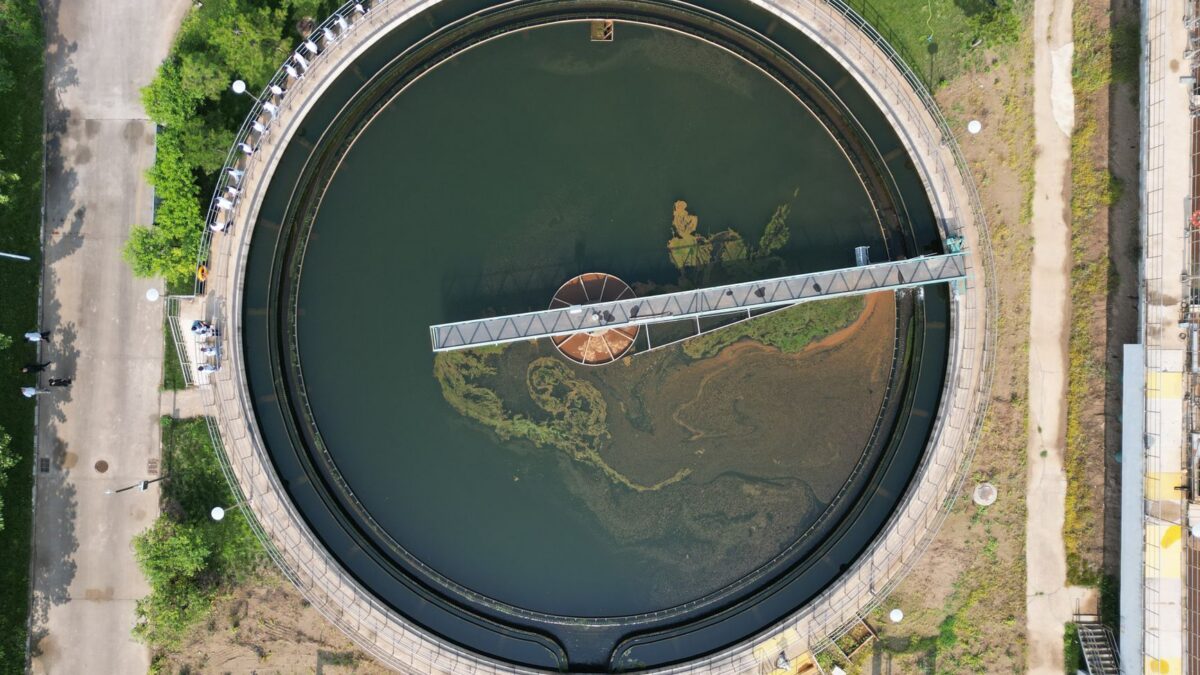
The case centres on sludge from wastewater treatment plants and other industrial sites. Companies were paid by the State to collect, transport, treat and recover this sludge. According to the court, they took the money but did not handle the material under the legal and contractual terms. Instead, the sludge was channelled onto agricultural and forest land.
The court said the group spread microorganisms harmful to human health into the soil. It also said the defendants repeatedly put heavy metals with legal limits into both the sludge meant for farm use and the soil that received it. The metals named in the order are cadmium, copper, nickel, lead, zinc, mercury and chromium.
In the judge’s view, the suspects knew these substances were likely to reach groundwater aquifers and contaminate them. The order says the discharges changed the quality of the soil significantly and permanently.
Operation “Cloaca Máxima” and the GNR investigation
The case comes from Operation “Cloaca Máxima”, run by the GNR (Guarda Nacional Republicana, Portugal’s national republican guard). In a statement last Thursday, the GNR listed the suspected crimes as pollution, document forgery, computer fraud, money laundering and criminal association. It described alleged coordination between waste management operators, transport firms and others involved in dumping and spreading sludge and working it into the soil.
According to the court, the investigation lasted more than three years and used surveillance operations and thousands of phone taps. The judge said this confirmed the scheme operates across almost the entire country and involves several individuals and companies. The court also considers the facts to amount to money laundering and fraud against the State, involving millions of euros.
Why it matters for people living in Portugal
Portuguese law sets limit values for heavy metals in sludge meant for farm use and in the soil that receives it. The court’s findings concern agricultural and forest land and the groundwater beneath it, and the judge said the scheme reached almost the whole country. Specific farms, regions or water sources were not disclosed.
The court also said the activity goes back to before 2009, to a time when the same companies were already the subject of environmental administrative offence cases. According to the order, nothing stopped them.
What happens next
The 16 defendants remain under the restrictive measures while the criminal case continues. The court order calls the scheme long-running and says it involves millions of euros. A trial date has not been disclosed.
Source: Portugal Resident
Site editor: Nikita Sheikin