Museu Nacional de Arte Antiga reopens with free entry this weekend
Lisbon's national museum of ancient art reopens after a year of works costing 8.5 million euros, with free entry on the opening weekend and a new route.
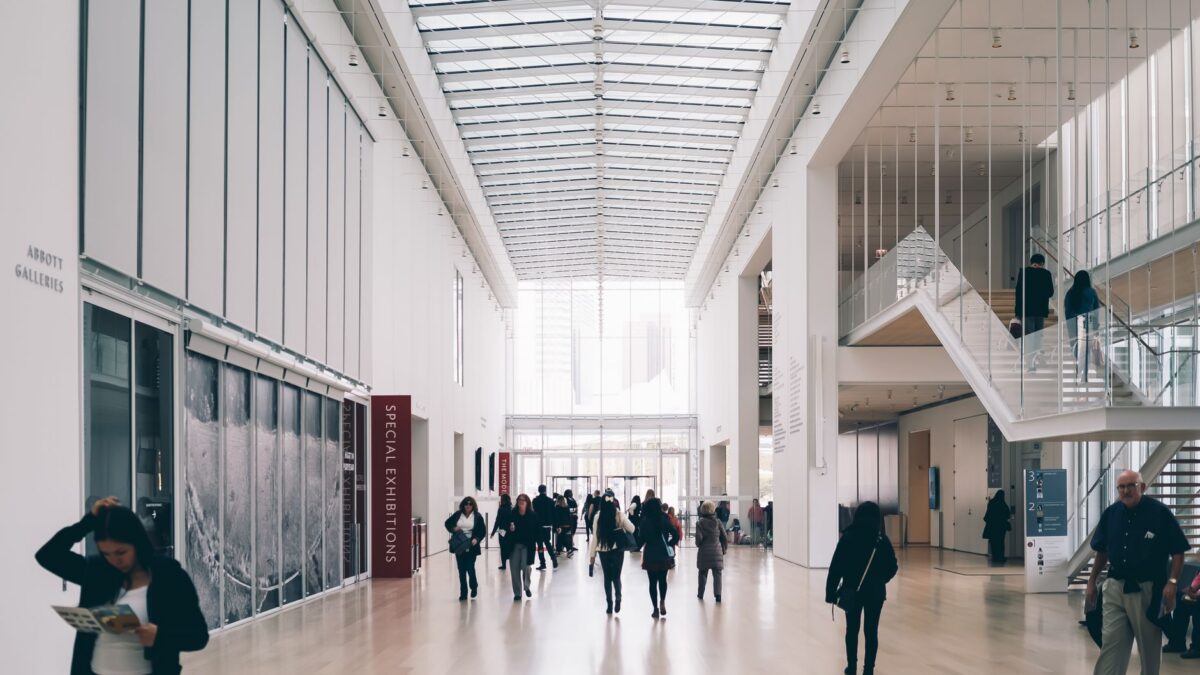
The Museu Nacional de Arte Antiga (MNAA, Lisbon’s national museum of ancient art) reopens to visitors this Saturday after a year of renovation works that cost 8.5 million euros. Entry is free over the reopening weekend, and a programme of guided visits, workshops and concerts runs until Dec. 1.
The museum is on Rua das Janelas Verdes. The funding came from Portugal’s Recovery and Resilience Plan (PRR), according to the reports by Observador, Diário do Distrito and ECO.
A new route through the decorative arts
The works focused on the floor of the decorative arts. Museum director Maria de Jesus Monge told the news agency Lusa that the new route is built around cultural encounters, shaped by the voyages and contacts the Portuguese had with other peoples. It shows objects from different origins and periods, and how outside influences entered Portuguese art and identity.
ECO reports that the museum had said since the 1990s that its exhibition narrative needed to be reworked.
Several works that had been in storage are now on display, some of them restored. They include an ivory figure of Christ from the sixteenth century by Francesco Terilli, a wooden “Birth of Saint John the Baptist” by Juan de Montejo, and a glazed terracotta “Virgin and Child with Saint John the Baptist” by Bartolomé Ordoñez. The museum also shows a rare Namban bed it bought recently.
The visit comes with a scent. Perfumer Lourenço Lucena created an aroma called “Namban-Jin”, inspired by the collections and by cultural contact between Portugal and the East. Monge said smell is a sense not normally present in museums, and the museum wanted to include it.
What was restored
- The Capela das Albertas (Albertas Chapel) was fully restored to bring back its Baroque appearance.
- Work also covered the north facade, the roofs of the wing of the former Palácio Alvor, the windows and the auditorium.
- New display cases improve environmental conditions and security.
- Digital content lets visitors learn more about works during the visit and from home.
- A PRR-backed project also digitised thousands of objects in two and three dimensions.
What you can see now and what stays closed
Several areas remain shut, because the work concentrated on the decorative arts floor. The reorganisation of the European painting collection is expected to finish in the second half of 2027. The area for large temporary exhibitions is due to open at the end of that year.
Even so, reference works from the collection are open from the reopening, including “The Temptations of Saint Anthony” by Hieronymus Bosch and paintings by Dürer, Cranach and Raphael. A temporary exhibition shows six Chinese wallpapers that depict the porcelain cycle. They were restored over about a year and a half with support from Millennium BCP.
Visitors can keep following the conservation of Nuno Gonçalves’s Painéis de São Vicente (Saint Vincent Panels) through a glass structure where conservators work. Monge told Lusa she expects the restoration to be finished by spring 2027, around April, so the panels can be seen as originally painted.
What happens next
The programme to Dec. 1 includes the opening of the international decorative arts floor and new temporary exhibitions. ECO adds that Monge hopes an expansion project onto land next to the museum will go ahead, so that more of the collection of about 40 thousand pieces can be shown.
The museum, founded in 1884, aims for 100 thousand visitors in its first year after reopening and expects to win back its audience gradually after the closure. It holds what the reports describe as the most important public national collection of Portuguese and European painting, sculpture and decorative arts from the Middle Ages to the nineteenth century.
Sources: Observador, Diário do Distrito, ECO
Site editor: Nikita Sheikin